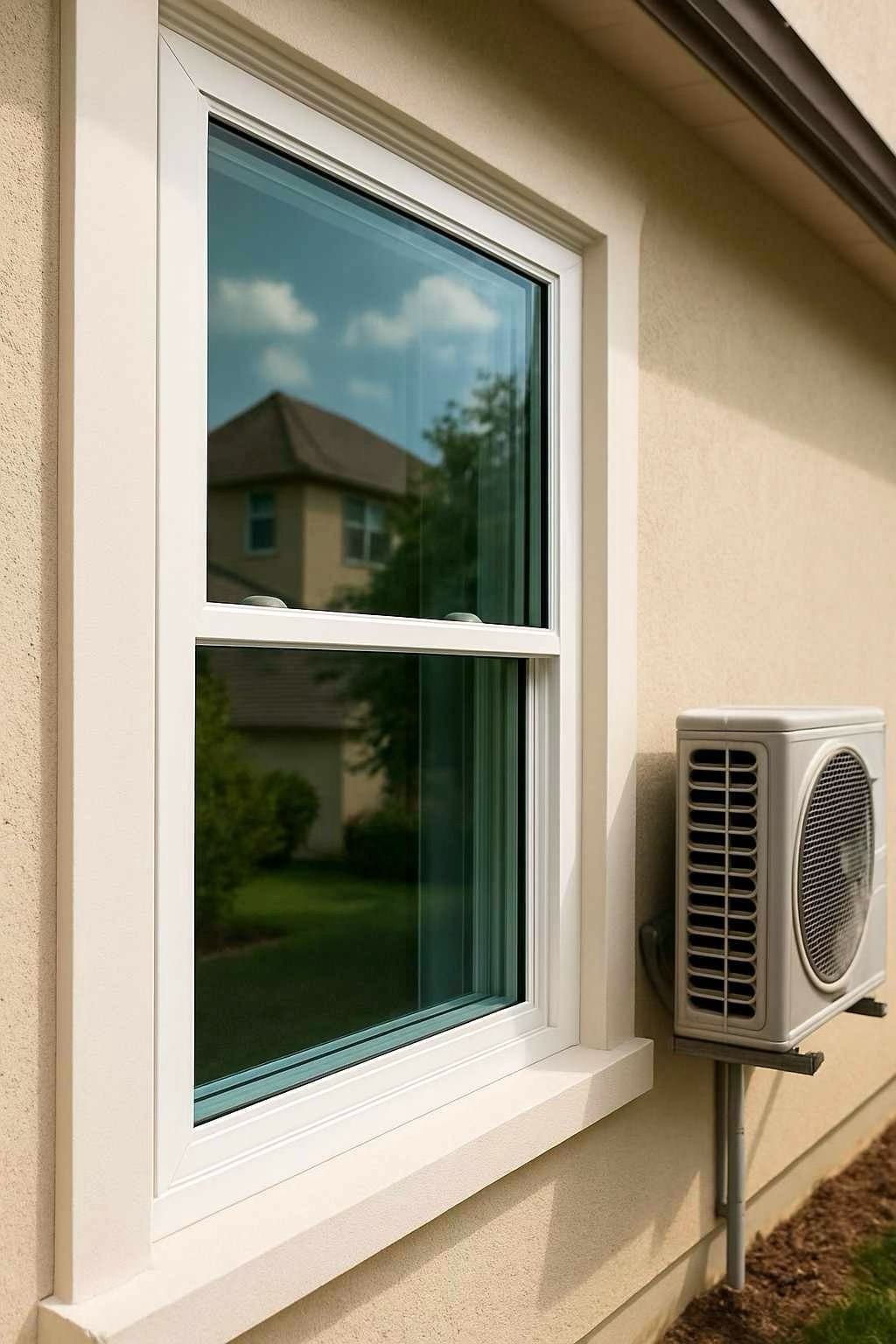
What is energy-efficient windows?
Energy-efficient windows are those windows which can lower the heating or cooling energy costs of a home. Such windows are equipped with some of the most advanced technology, like: several glass panes, low-e (low emissivity) coatings, gases such as argon and krypton-filled chambers, and high-performance frame materials; moreover, these technologies are combined to prevent heat transferring, enhance insulation, and eliminate drafts that may keep everything at the same indoor temperature.
Energy-efficient windows are the new frontier in both residential and commercial sector building upgrades, as the concerns about climate change and energy prices rise. It is not only beneficial for the environment but also reduces energy bills while also making a home more attractive to buyers and insurers who prize safety and efficiency.
By somehow many homeowners were mistaken into thinking that energy-efficient windows are only supposed to provide comfort, or some environmental effect. More and more insurers agree with the role they play in a much broader sense in reducing the risk factors, and this is where the premium savings come into play. We will dive into how these high-performance windows are linked perfectly to low insurance costs in the forthcoming sections.
Why energy-efficient windows Matter for Energy savings and home efficiency
For instance, energy-efficient windows also complement many modern state and federal goals aimed at forwarding the “greener housing” cause. In August 2025, many incentives stay in place for energy upgrades, such as tax credits, rebates and utility-based programs. To keep energy-efficient windows energy-efficient, it could qualify one to these savings along with its chances as a house in energy-certified home. This way, also from the insurance company view, there could be expanded discount opportunities presented to the insurer.
There is a wide relationship between new and renovated buildings in the Energy Code and policy in the construction field as well as the new Energy Policy Directive-2025. The ENERGY STAR products are required to be used one new construction or major renovation. Also, in future, this looks like a seriously important issue. The value added by these measures is especially compelling when it comes time to work with appraisers, realtors and even insurance companies.
Understanding the Connection Between Energy-Efficient Windows and Insurance Premium Savings
A very weak point in the whole shell of your house lies in the windows as far as energy conservation and efficiency within home domain are concerned. According to the U. S. Department of Energy, it is responsible for 25%-30% of heat loss gain through the windows to heating and cooling of energy in the average home. The figures alone speak volumes regarding how significant it could be with the upgrade to energy-efficient windows.
Windows that are energy-efficient indeed work by greatly minimizing unwanted transfer of heat. During the summer, they block the sun’s heat from augmenting with the load on air conditioning in your home. In winters also, that is where they help keep warmth inside, minimizing the workloads of the furnace. This consolidation with energy brings decreases in utility costs every month; in addition to all this, the benefits do not just end there.
The other major reason that energy-efficient windows matter is their resilience. By design, modern energy-efficient windows use double or triple pane glass to resist the impact of a standard single-pane window. Some are even hurricane-rated or built to comply with stringent regional storm codes. Insurance companies view this improvement in durability as a significant loss reduction measure, which, in turn, means that lower premiums are paid.
Not strictly, you could have a situation where you use energy-efficient windows to avail of insurance premium reduction in ways you would never think of. Many risk factors that weigh heavily on the home insurance rates involve damage susceptibility in the event of storms, intruders or fires. There are several cases where installing energy efficient windows can mitigate some of the factors that are usually generating risk burdens for insurance rates.
Storms are the perfect example. In hurricane, tornado, or high wind areas, windows will naturally be the most vulnerable to damage. When one function is not optimum, it fails to provide resistance to the other; e.g., in this case, if the windows are broken, it may result in damage inside the building and structural damage. Some of these insulated, impact-rated windows could cover larger energy-efficient categories, which would be proper defense against these threats. This being the case, it stands to reason that homes with these kinds of upgrades will eventually have a lower frequency in claims that are subject to storm events in comparison with their predecessors.
Moreover, energy-efficient windows could enhance your home safety. Many are sophisticated locking mechanisms and thicker panes of glass, making them harder to break or force. Thus, one particular risk-the burglar-related risk-is covered by the scoring of your insurance and possible discounts.
In fact, in places with severe fluctuations of weather or risk of wildfire, newer energy-efficient windows are a good way to maintain uniformity in temperature and to effectively seal out smoke or harmful chemicals. So, for the insurers, these are indeed some of the largest and best ways to reduce fire risks.
That data shows buildings that have moved to higher-efficiency windows to record fewer claims involving water damage, mold, insulation failures, among others. Many insurance agencies have implemented policies with refunds or discounts against homes meeting ambitiously energy-efficient standards.
That’s why old windows shall be off with new ones; meaning a change in real money but the ability to be insured under the most extensive fire or risk reduction strategies identified by insurers in 2025.
If you want to introduce energy-saving windows, you are looking at saving on your premium in return. Now let’s look at examples from real-life.
Key Features to Look For in Energy-Efficient Windows
There are some very solid reasons when it comes to energy saving performance and savings, to invest in energy saving windows. Today’s energy-efficient windows have the most features in order to produce better comfort indoors throughout the whole year, in addition to activities to reduce the heat transfer. The top list of must-have features for the homeowners and builders:
- Those Low-E coatings employed Ultima coatings on glass: A low-E-coated glass products type with a metal layer near the surface of the window pane of which people can barely notice it with their naked eyes, and that is efficiently bound with the light of the sun beneath a window in such a way as to keep it comfortable and habitable throughout the year.
- Double or Triple Glazing: Multi-pane windows filled with argon or krypton gas provide insulation worth looking into for the related improvement in insulation from using single-pane.
- Window Frames: Thermoplastic and Composite (e.g., Vinyl) Most window frames are primarily made of vinyl, fiberglass, and wood. This keeps heat from leaving the outer walls and into the poorly insulated building.
- Warm Edge Spacers: The glass edge is expensive to house. These are elements that stop condensation and loss of heat at the glass edge.
- Quality Assurance: In reality, when a window becomes tightly sealed, it lessens those air gaps which are considered a major cause of energy leakage plus thermal inconsistency at the indoors.
How Energy-Efficient Windows Influence Insurance Premium Savings
Apart from the very visible utility bill reduction that could be taken out of the savings gained from transitioning to energy-efficient windows into savings that are less expected—that is, the savings on insurance premiums. Insurance firms that offer policy coverage on dwellings undertake an appraisal of the dangers tied to any part of the home and determine that any feature for energy use could considerably lessen the risk ailing the property. Here’s how:
- Storm Resistance: Storms and harsh weather events can be averted through energy-efficient windows, as they are often built to include hurricane-resistant glass.
- Improve Your Home Security: Many top-use security features also have multi-layer glass and a promisingly good brand door lock that improves security measures and could feature real-life discount benefits from insurers.
- Decreased Chances of Mold and Dampness: Effective insulation controls condensation and moisture build-up, thereby safeguarding interiors and hence structural integrity, which desired by insurers.
The notification of window upgrades to your insurer is important so that you can indeed save on your insurance premium. Some insurers may ask for proof of certified windows meeting identified efficiency or impact standards, such as ENERGY STAR® or NFRC ratings.
Environmental Impacts and Certifications
Compared to the unrevised version, the revised version is less perplexing. At the same time, there are more likely adjustments like bursty and non-bursty ones. The argument above can be best understood as recommending the use of energy-efficient windows-worthy improvements in housing. The U. S. Department of Energy estimated the heat and cooling loss in increasing a household’s energy usage during winter by around 28%. This waste of energy is reduced directly when energy-efficient glazed windows are installed.
To look for certification:
- ENERGY STAR®: EPA-qualified windows are designed in accordance with efficiency requirements that are set up according to the various climatic zones.
- NFRC Ratings: Standards for evaluating energy U-factor, SHGC, and visible transmittance are maintained by the National Fenestration Rating Council.
- LEED Credits: Energy efficient windows and glazing systems help in gaining points for a LEED certification by the U. S Green Building Council in the green buildings system.
Maintenance and Longevity of Energy-Efficient Windows
Energy-efficient windows will last as long as they are trying to stretch out and with the proper materials put in them. Regular service is also important as it is the correct way of achieving long-term efficiency. Here are some steps which should be taken:
- Inspect the seals and caulking every year to prevent infiltration of air or water.
- Clean with nonabrasive solutions for glass and framing. This way, they will not only remain clean but also their coatings and finishes will be protected.
- What makes a professional repair necessary is whether or not there is condensation between the panes (usually in double or triple glazing).
- Make sure that there is good draining in the window sills so water does not gather and then possibly mold or permanently warp the areas.
Most of the energy-efficient windows out there and relatively new in age can last more than 20-25 years without a great decline in performance.
Return on Investment (ROI) and Resale Value
Most of the time, the unappreciated advantage of installing an energy-efficient window is that it serves to enhance the marketability of a house in the process. According to the leading studies in real estate, the fact that a new top performance window is installed will add about $1.1 profit to the sale price of every $1 invested.
It is now increasingly compelling for the real estate buyers for houses to be energy efficient and sustainable. Indeed, energy efficient upgrades, such as windows, are now business: rather than special privileges, they are more necessities of modern living. Houses featuring impressive double or triple glazing systems add considerable allure to property listings, serving to mollify recently introduced restrictions on the budget.
Bundling for Maximum Efficiency
Installing energy-efficient windows offer more immediate assets, yet their collective effort with other home efficiency measures enhance benefits. Try to combine these together:
- Boosting insulation levels in your attic and walls in a bid to reduce heat loss across several dimensions.
- Smart thermostats better help you control indoor heat in consort with high-performance glazing.
- Efficient HVAC Systems are thus in sync with decreased strains from the heating systems and cooling down through rejuvenated windows.
You use holistic techniques-offering efficient performance not in energy savings alone but in prospects that add value to your home in terms of tax incentives, future rebates, and savings, above all, on insurance premiums.
Frequently Asked Questions
What is energy-efficient windows in simple terms?
Energy-efficient windows have been strictly built and customized to cut on the heat exchange process; thus, lesser energy bills monthly are being recorded since these ensure continuity in the temperatures within. Cooke believes in comfort and cooling at the minimum energy prices for the possible generation of saving based on that very less quantity of fuel consumed.
How does energy-efficient windows help?
Energy-efficient windows are extremely beneficial in conserving power, thereby reducing dependence on HVAC systems, thereby allowing energy cost savings redirects into potential monthly utility earned and beyond. Some insurance companies recognize the safety and durability provided with these windows, hence potentially taking off a few insurance premium dollars.
Can I apply energy-efficient windows myself?
There are some homeowners who do it themselves install energy-efficient windows. This is a good installation alternative, but first, you need to ensure an expert installation as this will offer both performance and warranty protection guarantees. The installer ensures that the windows are properly installed, sealed, and conform to building codes.
What tools should I use?
In surveying and comparing window performance, a good initial point is to check the NFRC (National Fenestration Rating Council) label. One can also have home energy audit tools and get ENERGY STAR’s guidance. For efficient utilization of energy, think over the house by using tools like Google Nest or Ecobee thermostats, combining them with windows that are energy efficient.
The Broader Benefits of Energy-Efficient Windows
Beyond personal bank savings and boosted comfort, energy-efficient windows are also beneficial environmentally on a larger scale, as fewer homes with the windows cause the consumption of energy to drop and reduce their carbon footprints. This has a very substantial benefit to the environment by lowering greenhouse gas emissions, as with the global attainment of goals and objectives on energy conservation.
Through low-emissivity (Low-E) coatings on glass, improved frame materials, gas fills, and any advanced glazing techniques, modern energy-efficient windows include a range of all such items that have made them better in multiple aspects. These tend more to maintain the temperatures comfortable for the entire coming year and save energy by keeping energy from escaping.
So in the sense of adding a few more homes resale attractiveness by indicating better insulation translates into lower utility costs an expected long-term value will be created by installing these windows. Because most up-to-date standards for hurricane or other forms of impact resistance could be achieved, some insurance firms will allow homeowners to lower their home insurance premiums, giving rise to real savings on such premiums just due to changing the windows.
What to Consider Before Installation
Before anything else at the start, every homeowner must check out some key points:
- Climate Zone: Different types of windows go better with different climates. Northern places may need a strong insulation while solar control properties may appease dwelling places in the South.
- Window aspects: Sometimes low-E coatings on windows on the southern exposure are almost other issues than those on the northern exposure during optimal performance.
- Certified Installers: Get excellent, well-reviewed, certified window installers to ensure the scruples that have led to such an investment will furthermore actually be capable of accruing so to the long-term benefit.
Government incentive programs and financing mechanisms reduce payback periods by making window upgrades more affordable in the short term. Before doing anything, it is important to check the Federal and also local rebates available for purchase.
Next Steps
Now that you realize the benefits of energy-efficient windows for savings, comfort, and sustainable value, it is time to act many benefits; loads of homeowners wait with their essential upgrade.
Request Your Free Consultation Today!
Get Started With Patriot Windows & Doors
At Patriot Windows & Doors, we specialize in premium, energy-efficient windows that meet both your performance and aesthetic goals. Our experts help you select the right window system tailored to your home, climate, and budget. Let us show you how upgrading your windows can result in:
- Reduced monthly energy bills
- Greater indoor comfort year-round
- Enhanced home value
- Potential insurance premium savings
Act now to maximize your savings and enjoy an energy-smart home in every season. Reach out to our expert team and begin transforming your home today.
Explore Related Articles
Your Complete Window Installation Guide
How to Qualify for Energy Efficiency Tax Credits
External Reading for Deeper Insights
Department of Energy: Energy-Efficient Windows
EPA: What You Can Do to Improve Your Home’s Energy Efficiency