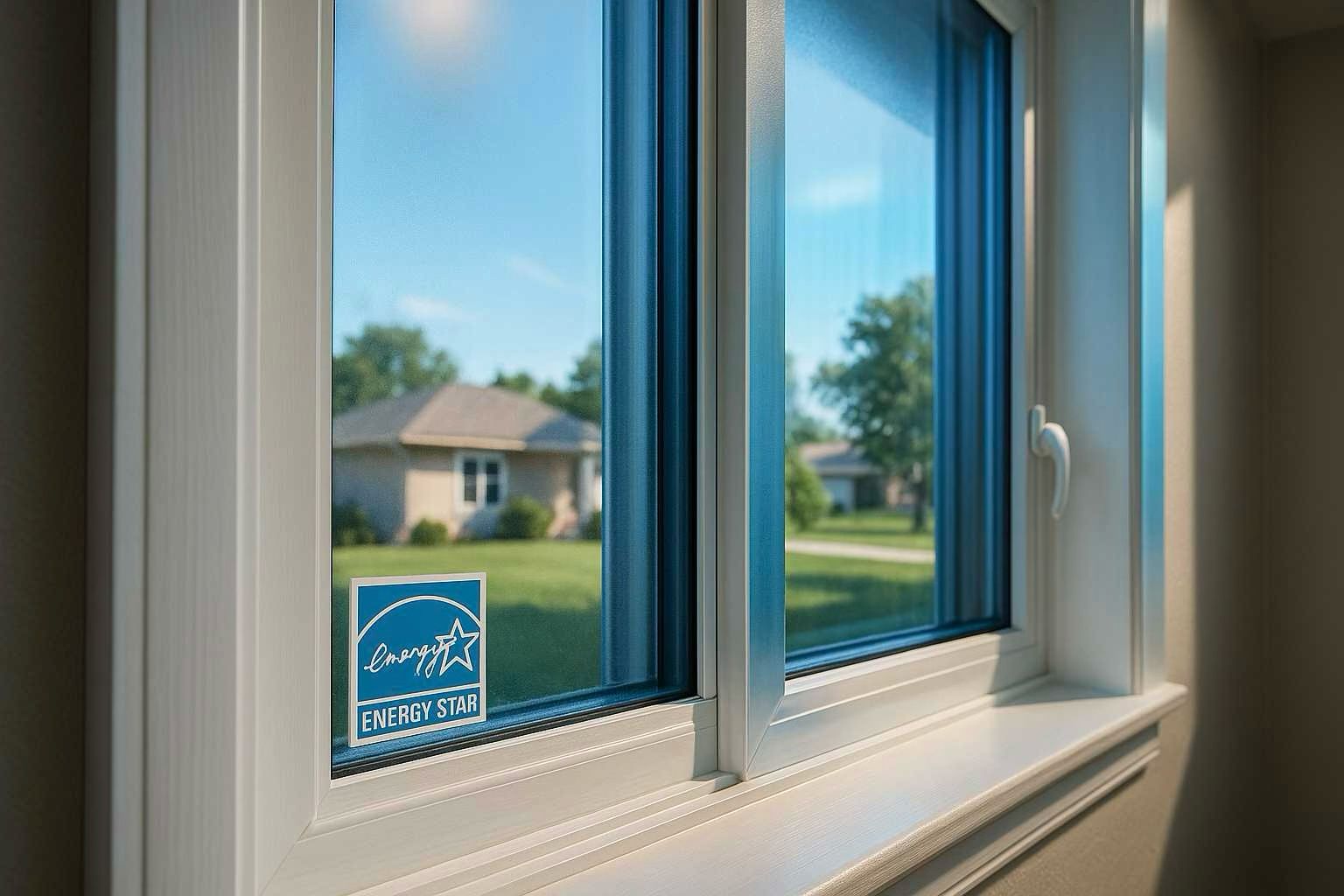
By reading How Can Energy Efficient Windows Lower Your Insurance Costs?, you have discovered tips, examples, and strategies to obtain better results regarding everything you might want to know about energy efficient windows.
Energy-Efficient Windows: A Comprehensive Guide introduces you to the subject, helping you understand and use new and vital information for prospective opportunities including energy savings as well as home efficiency from the energy savings and home efficiency industry.
What is energy-efficient windows?
Technologically instructive window constructions fitting, energy efficient windows prevent the heat transfer that proceeds to the inside to the outside of a home. They frame under hostile conditions, which means high-technology materials, coatings, manufacturing processes, and technical application have been used for the construction of such insulating equipment that will keep high indoor temperatures long to comply with any regional climate, with less cost for heating or cooling a building.
Some of the most classical features in energy-efficient windows are:
- Low-E coatings: Thin layers of materials with a near-zero reflectance that treat low-reflective surfaces to minimize the transmission of infrared and ultraviolet light through glass without a great change in visible transmission.
- Multilayer glazing: Energy efficiency gains by creating a series of air cushions with the double or triple glazing arrangement.
- Gas filling: Filling this gap between panes with inert gases such as argon or krypton decreases heat transfer.
- More internally advanced framing materials: Materials that have little thermal conductivity, like fiberglass frames, vinyl, or composite, as opposed to aluminum.
Aside from this, these kinds of windows are increasingly regarded as risk-mitigating improvements by insurance companies, making them a very strong barrier against energy loss, hence high-performance and resultant savings on payments.
Why energy-efficient windows Matter for Energy savings and home efficiency
Energy-efficient windows are now considered a necessity of both financial and environmental import as people become more aware of the effects of escalating utility costs and the rising push for sustainable living. Upgrading to these systems enables homeowners to reap a variety of benefits from the new windows:
- Savers on energy: The U.S. Department of Energy notes that the replacement of single-pane windows with ENERGY STAR products would save households from $101 to $583 per annum, according to the size of the jurisdiction and house type.
- More comfortable living: Energy-efficient windows prevent drafts and maintain a far more stable temperature for the twelve months.
- Boosted home value: Green innovation is rapidly becoming a key consideration in what buyers want in the housing market, and homes with energy-efficient upgrades are therefore more attractive to eco- and budget-conscious buyers.
- Maintainable: The life of the windows—and the life of any support items around them—contributes to extended sunlight exposure when you put in window coatings, glass material enhancements, and so on panes that help cut inside condensation thought.
Or, do you wonder where insurance comes in? Big time actually. A rating on the hazard potential is, in part, figuring out how much to charge for homeowner insurance. The stronger the house is against any environmental and accidental damage, the less risk it represents—and the less cost for that policy.
Energy-Efficient Windows and Insurance Premium Savings
Changes in windows can mean a lot of savings in insurance. Homeowners are not aware that their insurance firms are keenly giving discounts to those who invest in proper protective and preventative installations. Say, for example, tinted or impact-resistant windows. Hence, the insurer wants to share in the repair costs when an accident has occurred, such as during a severe storm, break-in, or moisture problem.
The following are instances:
- Regions Susceptible to Storms: For instance, in Florida, Texas, or much of the Southeast, an increase in insurance premium of up to 15% can result from Impact-resistant windows.
- Urban Areas: Moreover, burglary risk can be lowered with the break-resistant glass and thus a higher premium saving through laminated or templated glass.
- Zones with Fire Risk: California or maybe the northwest of the Pacific, with fire-resistant glass having damage-resistant capabilities, can proportionally improve ratings for fire-resistance in homes, ultimately influencing the premium value.
In its nature, this energy efficiency has gone beyond energy costs to include homeowner defense, making a compelling case for investing in it. Insurance companies view these improvements as proactive risk management, quite similarly as the installation of smoke or security systems within the home. Therefore, more carriers today incentivize window upgrades through discounts and premium savings in the longer term.
The Connection Between Energy Efficiency and Risk Reduction
The presence of modern energy-efficient windows in houses makes indoor environments safe. Owing to the materials from which they are made and how they are constructed with layers, these windows are also sturdier when it comes to armed attacks and other environmental commotions as sighted.
- Wind: When thunderstorms are raining down on a net, consider shelling out more on double-or triple-pane impact-resistant windows-all the more so when their higher installation tends to mitigate soundproofing.
- Water: High-performance sealants in addition to IGUs can efficiently come together to prevent over-wet conditions, which are likely to result in hidden mold and structural damage, among other home hazards.
- HVAC: The majority of cases of carrier complaints occur because the HVAC system in that house was overworked by improper insulation-and I don’t mean it simply as a monetary cost but also true torture for a distraught homeowner; it’s pretty excruciating!
Additionally, reduced condensation and less sun inside the home, lesser eyes open for mold and object degradation, both of which normally prompt insurance claims by homeowners. Strain on the homes is made less, so you will file less, and the insurance is likely to reward you for this prudence.
Window glazing can impact the insurance discounts performance. It could break or make your rewards from energy efficiency. Let’s dive straight into a real-world example.
Cost considerations and long-term returns
Therefore, it is not just new windows that one can say is expensive because they are energy-efficient but new windows that are fitted having an ENERGY STAR rating also are expensive. Rated according to energy efficiency are ENERGY STAR categories for energy efficiency that define requirements that must be met by manufacturers’ products.
Furthermore, Energy Star windows are perfect because they even lead to bringing down insurance premiums. Because they less risky environmental-based damages like excess heat, cold, storms, and the remaining; such that the insurers have some discounts for the homeowners who have energy-efficient properties. Therefore, they reward more for structural durability and risk identification, and premiums are directly affected by it.
ROI does not save you all of the savings. A lot of homeowners realize enhanced property values after the installation. The investment in energy-efficient windows pays off much more than your utility bill every month, should you choose to sell your home with improved values on the market.
Technology behind energy-efficient windows
Impressive performance of energy-efficient windows is inherent in the advanced mechanisms that are combined in the construction. Among other benefits, this includes:
- Low-E glass coatings: Tiny invisible molecules that tether the exterior and “low-E” side of double-pane windows reflect the sunshine when it’s put out, holding warmth inside the house with little loss from the sun during winter nights and keeping the heat outside during summer month evenings.
- Multiple panes: A dual or triple pane of glass improves the insulation due to air spaces between the planes, filled with inert gases such as krypton or argon, which reduce heat transfer.
- Warm edge spacers: Warm edge spacers minimize loss of heat at the edge of the window, improve the whole energy efficiency, and limit fogging, condensation through the panes.
- UV protection: Most energy-efficient windows prevent up to 98% of the damaging UV, ensuring that no fading of colors on furniture, flooring, or artwork he owned could happen in time.
These developments are monumental in the energy efficiency and efficiency of a residence and thereby constitute some of the major echelons of modern construction standards.
Government incentives and rebates
Efforts must be redoubled by the globalizing world in the fight against climate change. House owners are encouraged to redraw their habitations to increase sustainable configurations. Grants are available at all levels of government for the installation of great energy efficient windows. From different sources these incentives will, therefore, be available. Easily noticed within the United States, in this sense, are programs like the ENERGY STAR, which offer tax credits or rebates for proper installation of windows.
Modification of window dressings in many highly energy-efficient ways can be ridiculous relatively affordable. Many utility firms provide ways of motivating or subsidizing for the influence of an upgrade each their energy-efficient devices, particularly including windows. Many such reductions could be significant, beyond any shadow of a doubt, were they not even able to sum up the costs of actual equity in energy efficiency. Research possible incentives by visiting websites of local energy offices or by going to governmental Web site energy efficiency under their laws and regulations as to the actual grant conditions.
Step-by-step installation framework
The paragraph below presents the first point, broken down, quite straightforwardly for installation in any home or renovation project:
- Energy audit: Start with engaging a professional energy auditor by evaluating your presumed operational inefficiencies and assessing the need for possible improvements.
- Choose your window type: SELECT one of these options certified by the ENERGY STAR program or other high-performing categories for cold, mild, or hot climates.
- Cash planning: Reflect upon former expenses and probable insurance and energy cost premiums.
- Professional installation: Hire a license-holder with good references, and knowledge in installing energy-saving windows, ensuring the operation and guarantee of said materials.
- Post-installation testing: Test for leaks or review thermal images after installation for better insulation and air barrier agreement.
A construction plan that tends to go a long way in helping the homeowner to secure the most comfort benefits as well as ease any efficiency issues.
Common misconceptions
There are several myths that are still in circulation, despite the apparent positive effects of having energy-efficient windows. One common one is that just houses in very cold weather really need such a window. There are actually situations or regions where an energy-efficient window could save energy by preventing or combating higher air conditioning bills and UV radiation.
Another point is that such housing improvement is only meant for more modern homes. There are stylistic choices for ancient or modern looking windows most of the time, even if it might be possible that the architecture may limit some features. This would be a great way to upgrade the house through retrofitted windows instead. Retrofit options thus solve all window-related issues and issues while suiting all homes.
Conclusion: A strategic move towards savings and sustainability
The investment in purchasing energy-efficient windows is not merely an improvement on housing; rather, it is a long-term strategy for increasing the potential of one’s home, comfort, energy savings, and operational efficiency, or even financial resilience. They have premiums such as reduced utility bills and increase worth from the sale, thus are presently among the most impressive cases for the homeowner who is in the end looking to build a more sustainable and cost-effective living environment.
As construction codes and environmental standards push on to become better, energy-efficient windows stand out as the top notches toward the green house of higher intellects. Whether you are fixing things up or putting up a new building or cutting down your household expenditures, these windows get you bang for the buck, providing lasting value at work.
Benefits That Go Beyond Energy Savings
For all intents and purposes, you save on electric bills when you install energy-efficient windows in your house. There’s more to it, though. There are actually so many other things that old windows affect in your house -starting with your home personal life and savings. Really great products with smart glazing, thermal insulation, and coatings of low emissivity work in harmony to effectively regulate the indoor temperature.
Energy-efficient windows maintain comfort in your house both in that severe winter and that really unbearable summer. If you were to sit back and see, all the hustle and bustle surrounding this newly invented stuff-the advancements in technology in terms of construction-says one thing: you can never go wrong in eying an energy-efficient window.
Insurance Premium Savings and Long-Term Value
An important, hidden from view, benefit form energy-efficient windows installed is it is likely that the home insurance premiums could be reduced. There are insurance providers who provide discounts to people who have additional work done that diminish the various aspects of risks, such as the liked single-pane windows being replaced by modern and improvedly strengthened energy-saving models. The windows-verging on modern ones will, at least, prevent water or storm damage, easy break-ins by burglars, and even lower danger of fire due to better home environmental temperature regulation.
A good point of all this is that the residence, which will probably gain higher evaluation, will have a distinct advantage for those with these modern energy-saving features. Benefits like energy-efficient windows help to maximize listing value in today’s competitive real estate market and can help to close the deal faster. Every year that energy costs rise, buyers are hoping to find a house that will be economical in the long term. Energy-efficient windows have an advantage in that respect.
Environmental Impact and Sustainability
Besides any monetary damage, the eco-save part is clear. Of an average of hundreds of pounds of CO₂ emissions that a house can cut every year by switching to energy-efficient windows. Just imagine, avoiding using so much electric heating and air conditioning systems, this way contributing to a cleaner and more beautiful eco-world. As a matter of fact, many a model are even made with sustainable manufacture practices involving recyclable glass and frame materials and hence make this purchase an environment-friendly one right from production to installation.
Customization and Design Flexibility
The times in which design had to be throttled in favor of energy-efficient solutions are over. Energy-saving windows nowadays offer a variety of styles, dimensions, and finishes, making it possible to match them to any architectural aesthetic-from contemporary to traditional. There is no need to sacrifice beauty for efficiency. High-performance triple-pane, low-e coatings, and gas-filled windows are just as sleek and deco-friendly as your old ones but perform excellently.
Upgrade Incentives and Rebates
Governments at the local level throughout the U.S. along with main utility companies provide opportunities for their residents to enjoy discounts and monetary support via taxes, just like the case in the property industry. The rebates may be applicable for any home’s not less than the whole-of-window purchases where the defective windows were replaced or fixed in the current home. Participation in saving the energy at home is easy to accomplish, apart from giving lower initial outlay and empowerment for long-term saving in energy.
Frequently Asked Questions
What is energy-efficient windows in simple terms?
Energy-efficient windows are specially designed windows built to reduce heat loss in winter and keep heat out in summer, helping to maintain indoor comfort while consuming less energy.
How does energy-efficient windows help?
They minimize heating and cooling loads by insulating against outside temperatures. This helps reduce energy bills, enhances property value, and may lead to insurance premium savings as insurers view energy upgrades as lowering property risks.
Can I apply energy-efficient windows myself?
While technically possible, window installation is a skilled trade. Improper fits or seals may negate the benefits. It’s best to consult with experts or certified contractors for optimal results.
What tools should I use?
If you’re assessing performance post-installation, tools like infrared thermometers and energy audits can help. For research, use resources such as the EPA’s Energy Star site and local utility rebate portals.
Get Started With Your Window Upgrade
Upgrading to energy-efficient windows is one of the most impactful ways to increase comfort, secure long-term savings, and enjoy potential insurance premium savings. Whether you’re planning to retrofit an existing home or building new, the benefits extend beyond energy—offering peace of mind, durability, and environmental rewards.
Don’t wait for the next utility hike or storm season to take action. Discover how easy and affordable it can be to upgrade your windows today.
- Explore Our Energy-Efficient Window Services
- Contact Us For a Free Estimate
- Learn More from Energy Star
- Window Efficiency Insights by Energy.gov
Next Steps
Ready to improve your home’s performance and efficiency? Request Your Free Consultation Today!