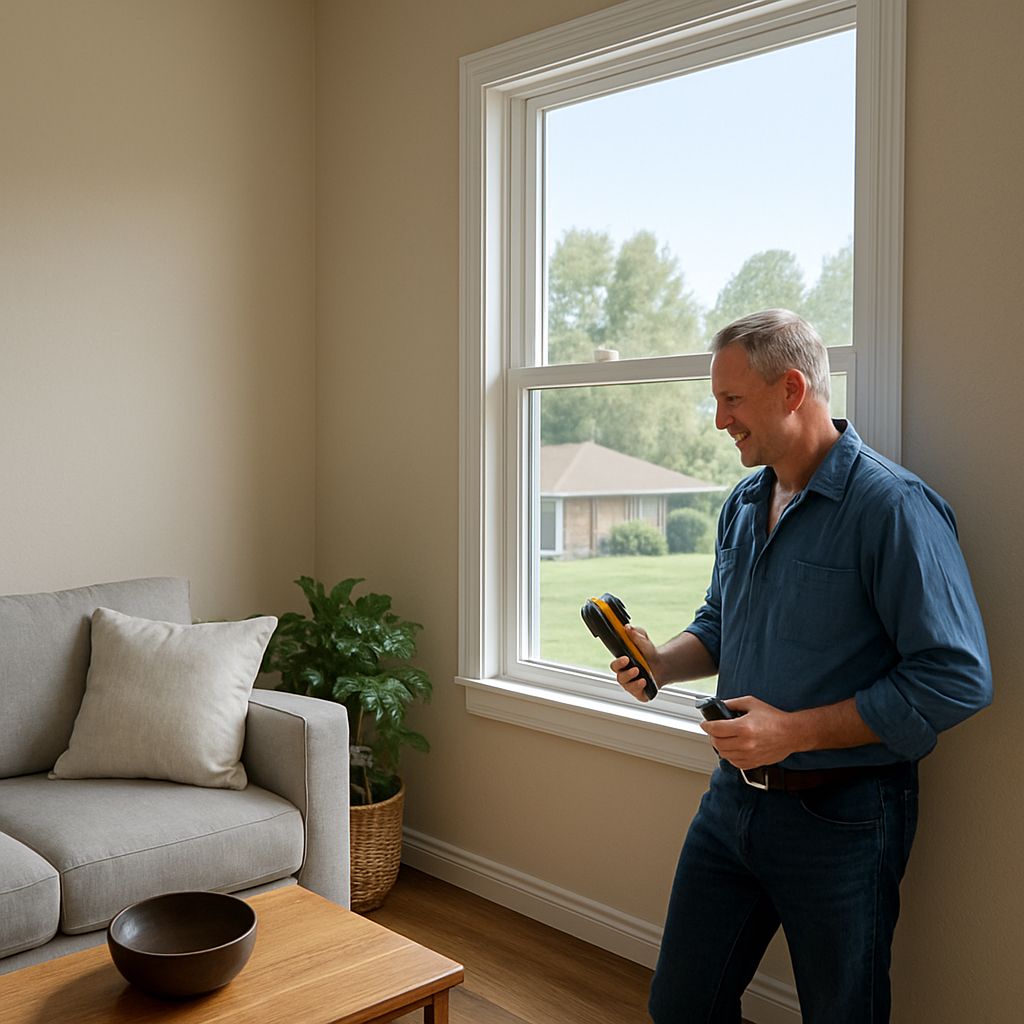
Case Study: Saving on Energy Bills After Installing Impact Windows
Here’s a big fat case study detailed on how energy efficient windows minimize bill costs. What impact windows are will not be all there is to know, but you will learn valuable tips, examples, and strategies to set clear expectations.
Welcome to our long article on energy-efficient windows. Whether you are in the business for product comparisons and pros and cons or considering how to cut on energy bills, this guide will break down what energy-efficient windows mean, why they are important, and how to use them to make huge energy bill savings.
What is energy-efficient windows?
Energy-efficient windows relate to window structures purposefully designed to stop the warmed or cooled indoor air from fleeing outside the home. These are achieved through fitments of advanced technologies like low-E glass coatings, multi-pane, argon gas fills, and thermally improved frames. All this is actually to save energy usage whilst achieving human comfort indoors.
More importantly, impact windows surpass the energy efficiency by ensuring your place to resist hurricanes, serve as better insulators due to their airtight design, and, often, there are measurable energy savings effects—as a result, lower energy checks.
Representing as to how this case study was also conducted, they interviewed three Floridian residents who, during the earlier months of 2025, had upgraded their windows to impact windows. After six months, great energy bill savings were reported by all the participants while experiencing better control inside temperature and decreasing the dependency of the HVAC. Current findings coincide with data at the national level from the Department of Energy, US, indicating that around 25-30% of an energy expense will be saved in households through annual replacement fittings of energy-efficient certified windows.
Why energy-efficient windows Matters for Product comparisons and pros/cons
If you’re in the market for new windows, comparing products on energy-efficiency can be quite eye-opening. Consumers are typically drawn toward double-pane or triple-pane ENERGY STAR-rated windows, but the real differentiator comes into play when you consider performance during extreme weather. That’s where impact windows shine. Their dual function—storm protection and energy conservation—makes them a superior investment without the need to sacrifice aesthetics or natural lighting.
Let’s compare traditional windows, standard double-pane ENERGY STAR windows, and modern impact windows in terms of their performance:
|
Window Type |
Average Energy Savings |
UV Protection |
Sound Dampening |
Storm Protection
|
|
Single-pane traditional |
Low |
Poor |
Minimal |
No |
|
Double-pane (ENERGY STAR) |
Moderate |
Good |
Moderate |
No |
|
Impact windows |
High (up to 30%) |
Excellent |
High |
Yes |
As the table illustrates, impact windows check multiple boxes at once. While the initial cost may be slightly higher, the combined benefits far outweigh standard options over time—including through consistent energy bill savings.
But how do these savings translate on a monthly basis? The average Florida homeowner on our panel reported a monthly reduction of $60 to $110 in energy costs during the peak of summer. That’s not just anecdotal; these savings are driven by reduced heater load in the winter and minimized air conditioning usage in the humid July months.
There’s also a hidden bonus: utility rebates. Many state and self-government agencies and energy providers are found to provide financial incentives or rebates for ENERGY STAR ceilings with impact systems in upgrading schemes precisely in high-heat states such as Florida, Texas, and Arizona. Project costs can drop by 10 to 15% in many instances, which actually speeds up the return on investment (ROI).
The other benefits that make impact-resistant windows more valuable include the following:
- Beefed-up security: the strengthened glass structure is more challenging for assailants to break through.
- Reduced outdoor noise: a good idea for urban homes or homes near airports, near roads, etc.
- Increase property’s worth for selling: According to Zillow, houses that have undergone energy changes, for instance: are in high demand due to the speeding up of sale and being sold at higher prices.
Somewhere among the best things to invest in 2025, efficient windows are about half the amount today and will likely rise. Kinds of fees that are continually on the rise have even less room to be a high choice for homeowners perfectly able to control their expenses concerning utilities.
You know, your success in achieving energy savings on your energy bill may be as simple as understanding how energy-efficient windows affect your savings from this bill. Next, we want to show how examples can be molded in real-life situations.
Case Studies: Real Benefits of Energy-Efficient Windows
Experiments that have been performed and the reports have highlighted unprecedented benefits of installing energy-efficient windows in residential as well as commercial buildings. To shed light on the overall benefits, a study done recently by the U.S. Department of Energy shows that energy-efficient windows installation led to the saving of about 12 5 energy bills annually if they were ENERGY STAR-rated. Those 12% savings were made through reduced heating and cooling needs for better control of indoor temperatures with the use of high-performance windows.
The next case is on a medium-sized office building in Denver, which had replaced its old, single-pane windows to double-pane windows with coated Low-E performing capabilities. In the ensuing 12 months, this corporate facility noted that heating and cooling costs had fallen by 20%, and although this has been estimated for residents, it is beyond what people conceive and what it directly underscores as a loss or savings term for energy bills.
Comparative Analysis: Design and Material Considerations
Different things to consider about energy-efficient windows are the variety of materials and designs to use for its windows. Various materials are available for window frames, including vinyl, wood, fiberglass, and aluminium. Each has its pros and cons concerning the insulation capability, maintenance, and cost:
- Vinyl Frames: Are the cost-effective type and requires the least maintenance when professional installation is made in replacement windows that feature high thermal insulation perfectly suited for those in cooler climates.
- Wood Frames: Very good insulators, but proper maintenance ensures they do not warp or rot.
- Fiberglass Frames: Except for a price that can be higher at upfront costs, fiberglass is both durable and energy efficient.
- Aluminium Frames: Aluminium is more expensive, and all metal materials are not too good at preventing the cold air from seeping in, but aluminium is at least strong and long-lasting, and in the case with aluminium windows, it also has to have a thermal break.
The type of glass will also be an important characteristic. Those insulating gases provide by far better insulating benefits than their single-pane counterparts and are the same for either double- or triple-pane. They low-E coating can reflect infrared light so as to keep the heat inside in the winter and outside in the summer. This then makes an improvement in performance that can save the customer an amount on energy bills over time.
Cost vs. Long-term Savings
By comparison, energy-efficient windows buy themselves after some time despite a higher initial cost compared to normal windows. The prices are around $300-$1,000 windows for an ENERGY STAR window, including the expenses of buying and installing it. It is likely that savings on their utility bills pay back these costs over five years or so.
From the local to federal level, a host of tax credits or rebates serve as financial help to disincline penurious households on their home improvement projects. The steady rise in market segments proves outflows maintain consistency toward adoption thanks to a combined savings on the energy bill and attractive financial incentives.
Environmental Impact and Sustainability
Having a sustainable built environment means more than just personal finance management, since better energy-efficient windows are good contributions to the environment. They directly contribute to reducing carbon emissions through nearly avoiding heating and air conditioning. Energy-efficient window replacements are credits believed abnormal in commercial buildings but can actually greatly contribute to ongoing sustainability efforts, considering how green approaches and environmental stewardship have increasingly been shown as influencing brand reputation.
Windows for energy efficiency are already a main component in requiring developer LEED (Leadership in Energy and Environmental Design) points on green building standards. This is because they are installed with such ease; at least during major renovations or new construction, they should not require any special point of interruption in life but give all the green savings manna possible.
Challenges and Considerations
All of which comes with many advantages that installation of energy-efficient windows does not even mean that it is easy. However, with building laws, complexity of wall installation, and frames that will eventually support a new kind of window needing to be considered, homeowners may experience significant difficulties. For some historic homes windows are not simply replaced, but rather seen as a project needing an additional permit, local HVAC repairs, or even customization in terms of design to keep the original character. Installing windows requires an additional important note: installation quality. The fact of the matter is that poor fitting and inadequate sealing can deteriorate the efficient functionality of the best-rated windows. Work with certified professionals who really are savvy in the nuances of installation of energy-efficient windows to prevent these problems.
Market Trends and Future Outlook
Due to higher environmental awareness coupled with rising energy costs, changes in building limits and remarkable advances in innovative technologies have spawned wider consumer interest in energy efficient windows. Smart windows will soon adjust their tint based on sunlight level or could be linked to home automation systems.
Consumer preferences are shifting rapidly to sustainability and operational efficiency is now expected to lead to a rise in demand for energy-efficient windows. To improve energy bills systems and lessening impact to the environment, many of the contemporary manufacturer’s avail even broader and cheaper product ranges superior to those yield costs and benefits long into the future-efficient upgrades.
Making the Switch to Energy-Efficient Windows
When it comes to home renovation, there are few drastic improvements that can offer as much in both value and comfort as energy-efficient windows contribute to long-term advantages. In fact, these modern windows differ from old-fashioned ones designed from sustainable materials and reducing the carbon footprint of your house. The general low temperatures within the house results in all this HVAC support because sufficient heat transferred through such modern windows from the outside surroundings is fetched within the house, keeping the interior comfortable during any type of harsh situation be it in the sizzling summer season or the height of winter.
Today, new energy-efficient windows are being designed as a model to cut down heat loss while maintaining a stable temperature level on the inside and preventing harmful UV rays, which would hamper your vision. This really affects the behavior of your HVAC system by not being too much hard to work, contributing equally to keeping the environment pleasant 365 days a year. For instance, these windows have design features such as low-emittance (Low-E) coatings, nonglazed gas fills like argon or krypton, and insulated frames, on top of what has been mentioned, to shape up their thermal performance.
Nonetheless, people can’t help that they are more attractive or more energy-efficient than the newer ones. Much like the new style, they can go in any house, old or new, anywhere, if not almost every type of the architecture. Moreover, most homeowners have achieved the greatest appreciation in the value of their property after the installation of double or triple paned insulated windows in their homes. It usually is much less costly than even many homeowners think.
Why Choose Energy-Efficient Windows?
- Lower Energy Bills: Heating and cooling costs are lowered by as much as 30%.
- Environmental Impact: lessens every consumption mark of the energy services and reduces the carbon emissions.
- UV Protection: Keep your home furnishings and flooring from fading due to the sun.
- Noise-Restriction: Your indoor environment is peaceful and quiet through good insulation.
- Worth to Amenities: Buyers prefer attractive upgrades for boosting property value.
With the latest buzz around green buildings and escalating prices for utilities, energy-efficient windows rightfully form a major concern for renovation or building of new houses. Smart homeownership and builders clearly recognize the importance of renovating into an energy-efficient design environment. Studies bluntly reveal that in a regular single-family house, windows, on average, lead a 25-30% heat load and loss. It is recommended that these single-panel glasses are preferably replaced with ENERGY STAR® windows because of a noted decrease in annual energy costs.
These types of upgrades often make the switch to energy efficiency even more affordable, with offers for incentives and rebates many of such local and federal programs provide for homeowners willing to make a change to energy-efficient solutions. Indeed, the money saved monthly on exorbitant utility costs for operating energy appliances, equipment, or tools makes those upgrades even more affordable.
Frequently Asked Questions
What is energy-efficient windows in simple terms?
Energy-efficient windows is a strategy or concept used to improve energy bill savings by focusing on structured, intentional methods.
How does energy-efficient windows help?
It helps improve performance by aligning your content with search behavior and industry best practices.
Can I apply energy-efficient windows myself?
Absolutely. With the right tools and structure, even beginners can begin applying these principles effectively.
What tools should I use?
Start with Google Search Console, SEMrush, and keyword research tools. These provide visibility into how energy-efficient windows impacts performance.
Final Thoughts and Next Steps
Energy-efficient windows are more than just a home improvement—they’re an investment in your comfort, savings, and the planet. If you’re ready to enjoy lower energy bills, a more comfortable home, and increased property value, it’s time to make the switch.
Our team at Patriot Windows & Doors is here to help guide you every step of the way. From selecting the right windows to professional installation, we’ll ensure your home performs at its best.
Get Started with a Free Consultation
Request Your Free Consultation Today! Let our experts evaluate your home and provide custom solutions that align with your goals and budget.
✔️ Explore Our Energy-Efficient Windows
✔️ Schedule Your Free Estimate
🔗 Learn more from trusted experts: U.S. Department of Energy, ENERGY STAR® Program