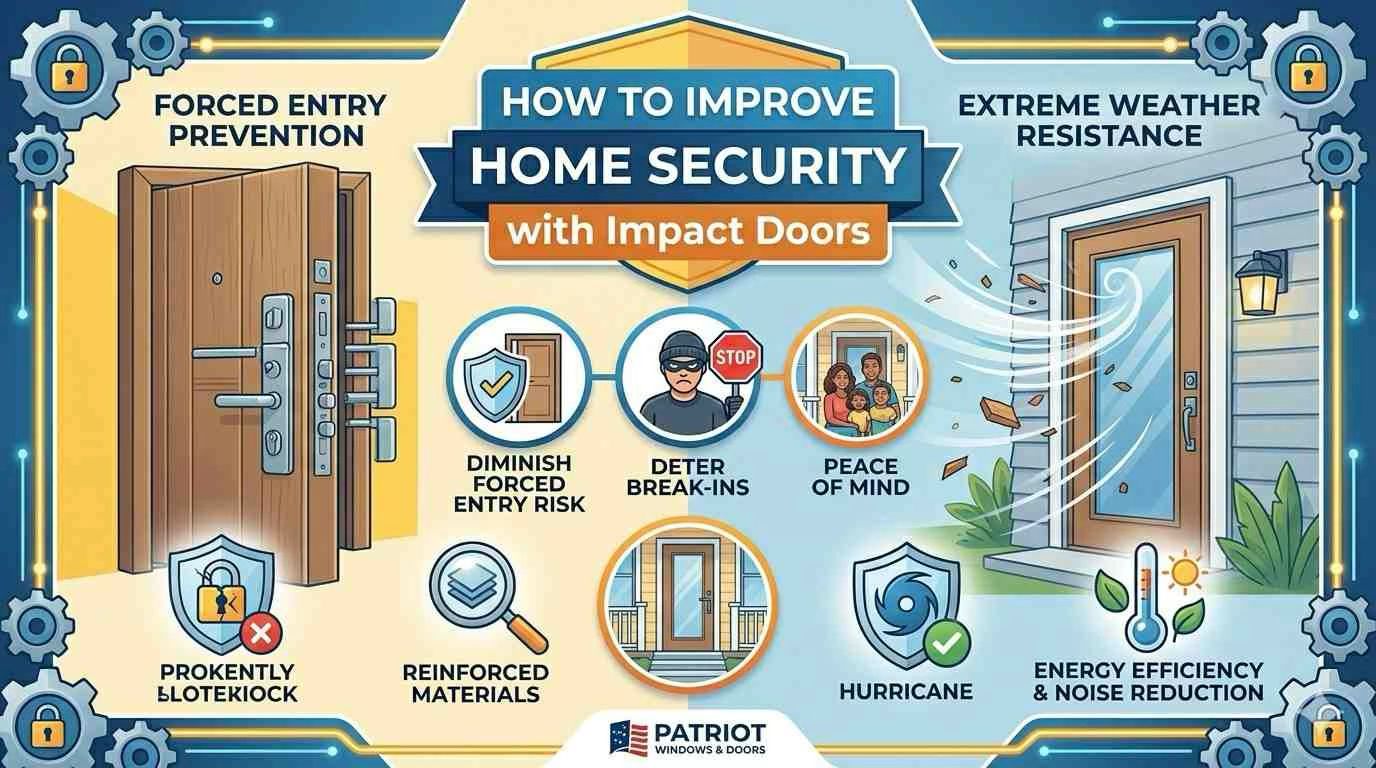
How Impact Doors Can Strengthen Home Security
Home improvement decisions tend to start with a simple question and turn into a dozen practical ones. Impact doors home security is no exception. Florida homeowners need to think about rain, wind, sun, permits, maintenance and how a product will feel to use every day.
The useful approach is to separate marketing language from details you can verify. Before ordering, ask how the specific product will fit your opening, which approvals apply and what the installed price actually covers.
Start with what impact-rated means
Impact-rated exterior doors are tested as assemblies for specified conditions; the rating does not mean a door is burglar-proof or storm-proof. Glass, frame, hardware and anchoring must work together. Confirm the product approval and whether the selected configuration matches the approved listing.
Understand laminated glass
Many impact-glazed doors use laminated glass designed to help retain fragments after impact. That may make forced entry more difficult in some situations, but security also depends on locks, hinges, framing and installation. Avoid claims that the glass cannot break.
Details worth checking
- Get the exact model and configuration in writing.
- Confirm who handles permits and inspections.
- Ask about sealing, drainage and finish work.
- Keep photos and product approval documents.
Pay attention to the lock side
A strong slab does little good if the strike plate, deadbolt or surrounding framing is weak. Ask about multipoint locking systems, reinforced strike areas and proper alignment. A door that rubs or fails to latch fully needs adjustment.
Do not overlook installation
Improper anchors, gaps or an out-of-square frame can compromise performance. Installers should follow the approved installation instructions for the wall construction and opening size. Ask who will handle inspections and final adjustments.
Balance visibility with privacy
A glass door can bring in daylight and improve sight lines, yet it may also expose the interior. Consider glass options, window treatments, lighting and landscaping. Security planning works best as several layers rather than one expensive purchase.
Details worth checking
- Get the exact model and configuration in writing.
- Confirm who handles permits and inspections.
- Ask about sealing, drainage and finish work.
- Keep photos and product approval documents.
Choose for daily use
Door swing, threshold height, handle location and accessibility matter every day. Try the hardware in person if possible. An impressive specification sheet will not compensate for a door that is difficult for household members to operate.
One detail people miss
Performance depends on the installed assembly, not glass alone. The product needs to be used within the limits of its approval and installed according to the applicable instructions.
Know the limits during a hurricane
Impact-rated doors are one part of a building-envelope strategy, not a promise against all damage. Wind pressure, water intrusion, roof condition and other openings still matter. Follow official evacuation orders regardless of home upgrades.
Keep security features working
Check weatherstripping, hinges, latches and locks at regular intervals. Clean tracks and drains where applicable. A small alignment issue can grow into a bigger problem if the door is forced shut repeatedly.
Questions to ask before signing
Ask for the exact product model, approval documentation, installation scope, estimated schedule, permit responsibility, warranty terms and payment milestones. A good proposal makes it easy to compare what is included, not merely the final number.
A realistic homeowner example
Imagine two quotes for the same opening. One includes removal, disposal, flashing and finish work; the other lists only the door or window and basic labor. The cheaper-looking option may cost more after necessary extras. Ask both contractors to describe the complete finished condition.
What to document during the project
Take dated photos before work starts, keep written change orders and save the final paperwork. If an unexpected issue arises, ask for an explanation and options before approving additional work. Clear records make later service conversations easier.
Small maintenance habits that matter
Clean tracks and drainage channels as recommended, inspect weatherstripping and operate locks periodically. Avoid harsh cleaners that could damage finishes. After severe rain, look for moisture at interior trim and address it quickly.
When to get a second opinion
A second evaluation is reasonable when the proposal is vague, a product approval does not match the opening, or the contractor cannot explain how water will be managed. Technical questions deserve specific answers, not pressure to sign immediately.
A checklist before you hire
- List each opening and the problem you want to solve.
- Compare quotes using the same written scope.
- Confirm approvals, permits and inspection responsibilities.
- Ask about lead times and weather contingencies.
- Review warranty and service terms.
- Prepare safe access for the installation team.
- Save the final documents in one place.
Compare the full assembly, not a headline
When evaluating impact doors home security, ask how the exact configuration will perform in your opening. Glass type, frame material, size, anchoring and hardware all matter. A product can have a valid approval without being suitable for every application. Ask the installer to explain the limits in plain language and show the corresponding documentation. This is especially important when a large patio opening or unusual wall construction is involved.
Make the quote easy to understand
An estimate is only useful when it describes the completed job. Look for removal and disposal, preparation of the opening, fasteners, flashing or sealing, interior and exterior finish work, permits and inspections. Ask what happens if hidden rot or damaged framing is discovered. Compare written scopes rather than relying on a verbal promise that everything is included. Clear payment milestones and service terms reduce misunderstandings.
What the site visit should reveal
A careful visit should identify signs of water intrusion, movement or past repairs around the opening. Mention when a leak occurs and bring photos if the problem appears only during heavy rain. Ask whether the issue requires repair before replacement. A new unit may improve comfort and appearance, but it cannot automatically correct every problem in the surrounding wall. Addressing the underlying condition protects the investment.
Keep the project record organized
Keep dated before-and-after photographs, the proposal, change orders, product model numbers, approval documents, permit records and warranties. If something looks wrong, describe the issue promptly and in writing. Records make future service calls more productive and help another contractor understand what was installed. They also keep expectations clear when a homeowner sells or renovates the property years later.
A sensible long-term ownership plan
Plan to inspect seals, tracks, hinges and locking hardware periodically, following the manufacturer instructions. In coastal areas, ask about cleaning methods and corrosion exposure. Check for water staining after major rain and arrange repairs when problems are small. No window or door should be described as maintenance-free or capable of eliminating every storm risk. Good products, correct installation and ongoing care work together.
Avoid choosing on urgency alone
A limited-time promotion should not replace careful comparison. Take time to read the specifications, ask about finish details and understand how unexpected damage will be handled. If a technical explanation is unclear, request it in writing. Home improvements deserve decisions based on information, not pressure.
Make the consultation more productive
Before a site visit, list your priorities: security, noise, comfort, appearance, ease of operation and budget. Note where problems occur and whether they follow rain, heat or heavy use. That context helps the installer recommend a suitable configuration instead of assuming every opening needs the same solution.
Think about the next ten years of daily use
Consider who will open the door, clean the glass, maintain the tracks and operate the locks. Children, pets and household members with mobility needs can change what works best. A good choice balances documented performance, correct installation and a design that remains convenient after the excitement of a renovation has passed.
Before making a final decision, ask how warranty service works for the specific configuration. Find out which components may need adjustment over time, how to report a concern and which documents to keep. A detailed conversation at the beginning helps avoid misunderstandings and makes it easier to maintain the investment after installation.
Frequently asked questions
Are impact-rated products required everywhere in Florida?
Requirements depend on the location, building and applicable code. Ask your local building department and installer about the specific opening.
Does impact-resistant mean hurricane-proof?
No. Approval addresses defined test conditions and does not guarantee protection against every storm or prevent all water intrusion.
Will a new door or window automatically lower insurance premiums?
Not necessarily. Eligibility and discounts depend on the insurer, policy, inspection and applicable mitigation criteria.
What should be included in an installation quote?
Look for the product model, glass configuration, removal, anchoring, sealing, trim work, permits, inspections and warranty responsibilities.
Talk with Patriot Windows & Doors
If you are considering impact doors home security, contact Patriot Windows & Doors to discuss your home, compare available options and request a project-specific estimate. Clear answers and a detailed scope are the best place to start.