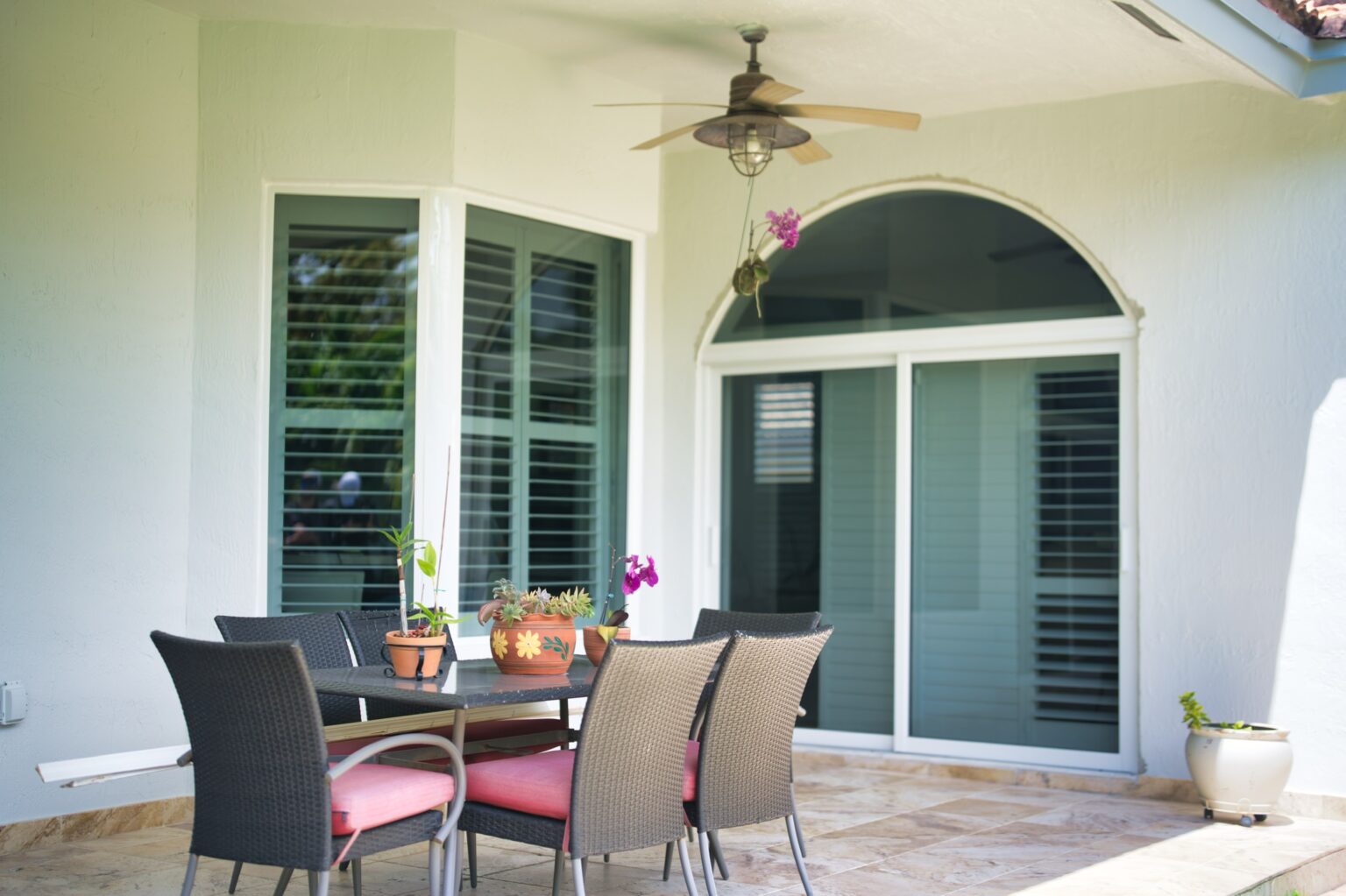
How thoughtfully selected impact windows can strengthen architectural character, create a more consistent exterior, and give a home a cleaner, more finished appearance
Windows are one of the most visible design elements on a home. Their size, shape, frame profile, color, grid pattern, glass, and placement all influence how the exterior looks from the street. When homeowners replace older windows, the project can therefore affect much more than function.
Custom impact windows can be selected to complement the proportions and architectural style of the home while also providing an impact-resistant opening system when the product, installation, and approvals are appropriate for the property. The result can be a cleaner exterior, more consistent sightlines, and a more intentional overall design.
Curb appeal is subjective, and no window automatically increases property value. However, careful product selection and professional installation can help a home’s windows look more coordinated with its architecture and other exterior improvements.
Why Windows Have Such a Strong Effect on Curb Appeal
A home’s windows create repeated visual patterns across the exterior. Even small differences in frame thickness, grid alignment, color, or proportions can become noticeable when several windows are viewed together.
Windows influence
- Symmetry and balance.
- The apparent scale of the facade.
- Architectural style.
- The relationship between walls and glass.
- Exterior color coordination.
- The amount of visible daylight and reflection.
- How modern, traditional, coastal, or transitional the home appears.
What Makes an Impact Window ‘Custom’?
Custom does not necessarily mean that every component is individually fabricated from scratch. In residential window projects, customization often means selecting dimensions, configurations, finishes, glass packages, grid options, and operating styles that fit the specific openings and design goals of the home.
Depending on the manufacturer and product line, choices may include
- Window size.
- Frame color.
- Operating style.
- Grid pattern.
- Glass tint or coating options.
- Hardware finishes.
- Fixed and operable combinations.
- Specialty shapes.
Available options vary by product and by the approvals required for the installation.
Impact Windows Can Replace a Patchwork Appearance
Homes that have been repaired or renovated over many years sometimes develop a mixture of window styles. One opening may have a thick frame, another may have grids, and another may have a different tint or operating style.
A coordinated replacement project can create a more unified exterior by standardizing visible design features across the home.
1. Better Proportions Can Improve the Facade
The relationship between glass and frame affects how a window looks from the street.
A well-proportioned replacement can make an opening appear cleaner and more balanced. The appropriate proportions depend on the existing opening, structural conditions, product design, and architectural style.
Homeowners should compare actual product drawings and frame dimensions rather than assuming all replacement windows will look the same.
2. Consistent Frame Profiles Create Visual Order
When windows on the same elevation use noticeably different frame profiles, the facade can appear inconsistent.
Selecting a coordinated product line can create repeated frame widths and sightlines that make the exterior feel more deliberate.
3. Frame Color Can Complement the Exterior
Window frame color is an important design decision because it interacts with paint, stucco, siding, stone, roofing, doors, shutters, and trim.
Common design approaches include
- Matching the window frame closely to exterior trim.
- Using a darker frame for contrast.
- Selecting a neutral finish that works with several exterior materials.
- Coordinating windows with doors and other major openings.
Actual color availability depends on the selected impact-window system.
4. Grid Patterns Can Reinforce Architectural Style
Grids can change the character of a window significantly.
Depending on the home, homeowners may consider
- No grids for a cleaner contemporary appearance.
- Traditional divided patterns.
- Colonial-style patterns.
- Prairie-inspired configurations.
- Custom arrangements offered by the manufacturer.
Grid patterns should be considered across the entire elevation so adjacent windows relate to one another.
5. Larger Glass Areas Can Create a Cleaner Look
Some homeowners prefer windows that maximize visible glass and reduce visual interruption.
The amount of glass that can be achieved depends on the opening, window style, structural requirements, product dimensions, and approved configuration.
When appropriate, cleaner sightlines can contribute to a more open and updated appearance.
6. Specialty Shapes Can Highlight Architecture
Arched, round, geometric, or other specialty windows can become focal points.
If an existing home already contains distinctive shapes, custom impact-window options may help preserve those architectural features rather than replacing them with a generic rectangular appearance.
Specialty products should be evaluated for availability, approvals, installation requirements, and compatibility with the opening.
7. Window Style Can Change the Character of a Home
Operating style affects both function and appearance.
Common residential styles include
- Single-hung windows.
- Double-hung windows.
- Horizontal sliders.
- Casement windows.
- Awning windows.
- Fixed or picture windows.
- Specialty windows.
Changing styles can affect ventilation, sightlines, egress, hardware, and code compliance, so design changes should be reviewed carefully.
8. Coordinating Windows and Doors Can Strengthen the Design
Windows rarely appear alone. They are viewed alongside entry doors, patio doors, garage doors, trim, and other exterior features.
Coordinating frame colors, glass appearance, and design language between windows and doors can make the facade feel more cohesive.
9. Removing Visually Deteriorated Windows Can Refresh the Exterior
Older windows may have peeling finishes, corrosion, damaged screens, deteriorated sealants, mismatched repairs, or worn trim.
Replacing deteriorated units and completing the surrounding finishes carefully can give the exterior a cleaner appearance.
10. Cleaner Installation Details Matter
Curb appeal depends not only on the window itself but also on how the opening is finished.
Visible details can include
- Sealant lines.
- Trim.
- Stucco repairs.
- Paint touch-ups.
- Exterior fasteners or covers.
- Alignment within the opening.
Even a premium window can look unfinished if the surrounding work is inconsistent.
Impact Protection and Appearance Can Be Planned Together
Homeowners in storm-prone regions often begin an impact-window project because of protection requirements or convenience during storm preparation. That does not mean aesthetics must be an afterthought.
Product selection can consider both the approved impact-resistant system and the design goals for the home.
What ‘Impact-Resistant’ Means
Impact-resistant window systems are designed and tested to meet specified standards for wind and impact performance when used within their approved conditions.
Performance depends on the exact product, glass, frame, size, anchoring, installation, building location, and applicable approvals.
Homeowners should review the product documentation and local requirements with a qualified contractor.
Impact Windows Are Not ‘Hurricane-Proof’
It is better to describe approved products by their tested or rated performance rather than calling them hurricane-proof or unbreakable.
Severe storms can create extreme conditions, and glass can still be damaged. The purpose of an approved impact-resistant assembly is to perform according to its tested system and applicable requirements.
Laminated Glass and Exterior Appearance
Impact-resistant glazing commonly uses laminated glass as part of the tested assembly. Laminated glass contains an interlayer designed to help hold glass together after breakage.
The appearance of the glass can vary depending on tint, coatings, thickness, reflections, lighting, and manufacturer.
Glass Color and Reflectivity Matter
Glass is a visible design material. Two window products with similar frames can look different because of glass tint or reflectivity.
Before ordering, consider
- How the glass looks in daylight.
- How it coordinates with neighboring windows.
- Whether different elevations will use the same glass package.
- How coatings or tint affect the exterior appearance.
Energy Performance Can Be Part of the Selection
Impact resistance and energy performance are separate considerations, although they can be combined within the same product system.
Depending on the product, performance information may include
- U-factor.
- Solar Heat Gain Coefficient.
- Visible transmittance.
- Low-emissivity glass options.
- ENERGY STAR certification where applicable.
The best glass package depends on climate, orientation, shading, comfort goals, and the approved product configuration.
Natural Light Can Influence Perceived Curb Appeal
Although natural light is primarily an interior benefit, the relationship between glass and the facade affects how a home appears from outside.
Well-planned window openings can make the architecture feel more open and balanced, particularly when visible glass areas are consistent.
Matching the Home’s Architectural Style
Contemporary homes
Homeowners may prefer simple grids, clean frame lines, larger uninterrupted glass areas, and restrained colors.
Traditional homes
Traditional architecture may benefit from balanced proportions and grid patterns that reinforce the original character.
Coastal homes
Coastal designs often emphasize light, views, and a strong relationship between indoor and outdoor spaces. Product selection should still be based on applicable exposure and approval requirements.
Transitional homes
A transitional design can combine traditional proportions with cleaner modern details.
Do Not Choose a Window Only From a Small Sample
A frame color or glass sample can look different when repeated across an entire elevation.
When possible, review
- Full product photos.
- Installed examples.
- Manufacturer drawings.
- Frame dimensions.
- Grid details.
- Color samples in exterior light.
Consider the Front Elevation First
The front of the home usually has the greatest effect on curb appeal.
Even when the project will eventually include the entire house, homeowners may want to spend additional design time reviewing symmetry, grid alignment, window groupings, and relationships to the entry door on the front elevation.
Symmetry Can Be More Important Than Individual Window Style
A single attractive window can still look out of place if it conflicts with the surrounding facade.
When openings are intended to be symmetrical, align visual features such as grids and frame proportions whenever the approved products and existing construction allow.
Consider Sightlines Across Multiple Windows
Windows installed side by side or stacked vertically should be reviewed as a group.
Small differences in meeting rails, grids, or visible frame dimensions can become more obvious when units are adjacent.
Replacing Windows in Phases
Homeowners who cannot replace every window at once can still plan for a consistent final appearance.
Document
- Manufacturer.
- Product line.
- Frame color.
- Glass package.
- Grid pattern.
- Hardware finish.
- Window style.
Product lines can change over time, so exact future matching cannot always be guaranteed.
Should Every Window Have the Same Style?
Not necessarily. Different rooms may benefit from different operating styles.
The goal is visual coordination rather than making every opening identical. Frame color, glass, grids, and overall proportions can create consistency even when operation varies.
Custom Windows and Existing Opening Sizes
Replacement windows are generally designed around the existing opening unless the project includes structural modifications.
Changing opening dimensions can affect framing, exterior finishes, interior finishes, permits, engineering, and cost.
A qualified professional should evaluate structural changes.
What About Very Large Openings?
Large window openings can create dramatic architectural features, but size affects engineering, glass thickness, framing, anchoring, handling, and product availability.
The desired design must fit within the tested and approved limits of the selected system.
Coordinating With Exterior Paint
If the home will also be painted, coordinate window and paint selections before either project is finalized.
Consider
- Frame color.
- Trim color.
- Stucco or siding color.
- Door color.
- Roof color.
- Accent materials.
Coordinating With Shutters
Some homes use decorative shutters as architectural elements.
If shutters will remain after impact-window installation, review their size, color, and relationship to the new frame dimensions so the finished elevation remains balanced.
Coordinating With Entry Doors
A new entry door and new windows can have a stronger visual effect when planned together.
Matching every finish exactly is not always necessary. The goal can be complementary colors, similar glass character, and a consistent level of detail.
Coordinating With Patio and Sliding Doors
Large glass doors often occupy substantial portions of the rear or side elevations.
Using compatible frame colors and glass packages can help windows and doors read as part of the same exterior design.
Screens and Exterior Appearance
Screens can affect the way windows look from outside because mesh and frames change reflections and visible darkness.
Ask which screens are included, where they are located, and whether screen frame colors coordinate with the window.
Hardware and Interior Design
Hardware is usually more visible from inside than from the street, but it is still part of a custom window package.
Coordinating hardware with interior finishes can make the replacement feel more intentional throughout the home.
Curb Appeal and Resale
Updated windows can contribute to a home’s overall presentation, but resale value depends on many factors, including neighborhood, market conditions, installation quality, product selection, and the rest of the property.
Homeowners should avoid assuming that a window project will produce a guaranteed increase in value or a specific return on investment.
Curb Appeal and Maintenance
A clean exterior is easier to maintain when finishes and sealants remain in good condition.
Maintenance requirements vary by frame material, finish, hardware, exposure, and manufacturer. Follow product-specific care instructions.
The Importance of Accurate Measurements
Custom appearance begins with correct fit.
Improper measurements can create installation problems, excessive gaps, awkward trim conditions, or changes to visible glass area.
Professional measurement should consider the actual opening and the requirements of the selected product.
The Importance of Installation Quality
Installation affects appearance, water management, air sealing, operation, and performance.
A quality installation process should address
- Opening preparation.
- Correct placement.
- Level and square installation.
- Approved anchoring.
- Flashing or water-management details as required.
- Air and perimeter sealing.
- Interior and exterior finishing.
- Final operation checks.
Permits, Product Approvals, and Design Choices
In areas with specific wind or impact requirements, the window selected must be appropriate for the building, opening, location, and applicable code.
A preferred color or configuration should not be chosen without confirming that the exact product is available and approved for the intended use.
Questions to Ask Before Choosing Custom Impact Windows
- Which product approvals apply to my property?
- What frame colors are available?
- What grid patterns are available?
- Can I see the actual frame dimensions?
- What glass options are available in the approved configuration?
- Can specialty shapes be matched?
- How will adjacent windows align?
- What will the exterior finishing look like?
- What permits are required?
- What product and installation warranties apply?
Design Mistakes to Avoid
- Choosing each window independently without reviewing the full elevation.
- Using inconsistent grid patterns on adjacent windows.
- Ignoring frame thickness and visible glass area.
- Selecting glass without considering exterior tint and reflection.
- Assuming every desired configuration is available as an approved impact product.
- Ignoring how windows coordinate with doors and exterior colors.
- Focusing on the window product while overlooking installation details.
A Practical Custom Impact Window Planning Process
Step 1: Photograph each elevation
Review the house as a complete exterior composition.
Step 2: Identify architectural priorities
Decide which features should be preserved, simplified, or emphasized.
Step 3: Evaluate the existing openings
Confirm condition, dimensions, water issues, and structural considerations.
Step 4: Select an appropriate approved product system
Performance and code requirements come before decorative preferences.
Step 5: Coordinate visible design options
Review frame color, grids, glass, operating styles, and adjacent doors.
Step 6: Review drawings and samples
Understand the actual frame proportions and visible glass area.
Step 7: Plan the installation and finishing
Discuss exterior sealants, stucco, trim, paint, and other visible details.
Step 8: Inspect the completed project
Confirm operation, finish quality, alignment, and cleanup.
Custom Impact Window Curb Appeal Checklist
- Review the full exterior, not only individual windows.
- Choose frame colors that coordinate with the home.
- Use grid patterns consistently.
- Compare visible frame and glass proportions.
- Coordinate windows with entry and patio doors.
- Review glass tint and reflectivity.
- Preserve appropriate specialty shapes.
- Confirm approved configurations.
- Plan exterior finishing.
- Document selections if the project will be phased.
Frequently Asked Questions
Do impact windows have to look bulky?
Not necessarily. Frame profiles vary by manufacturer, material, size, and performance requirements. Compare actual product dimensions and installed examples before selecting a system.
Can impact windows be customized to match my home’s style?
Many product lines offer choices in color, grids, operating style, glass, and configuration. Available options depend on the manufacturer and approved product system.
Can I get black or dark-colored impact windows?
Dark finishes may be available from some manufacturers and product lines. Availability, warranty terms, and approved configurations should be confirmed before ordering.
Do I need grids?
No. Grids are primarily a design choice unless other project requirements apply. The best option depends on the home’s architecture and the appearance you want.
Will impact windows increase my home’s value?
They may contribute to overall marketability and exterior appearance, but no specific increase in property value is guaranteed. Local market conditions and the overall property matter.
Can I replace only the front windows for curb appeal?
A phased project can begin with the front elevation, but consider how the selected product will coordinate with remaining windows and whether the same line will be available later.
Can impact windows reduce outside noise?
Certain window and glass systems may reduce some exterior sound compared with existing windows, but results depend on the entire assembly, installation, wall construction, and sound frequencies. They should not be described as fully soundproof.
Do impact windows improve energy efficiency?
Some impact-window systems also offer energy-efficient glass options. Actual performance depends on product ratings, climate, orientation, installation, and the existing home.
Can I change the size of my windows?
Possibly, but changing opening size can involve structural work, permits, engineering, and finish repairs. The project should be evaluated by qualified professionals.
Curb Appeal Comes From the Complete Design
Custom impact windows can do more than replace aging openings. When their proportions, colors, grids, glass, and operating styles are selected as part of the home’s overall architecture, they can create a cleaner and more coordinated exterior.
The strongest results come from balancing appearance with performance requirements. A window should fit the architecture, but it must also be appropriate for the opening, building conditions, local requirements, and approved installation method.
Explore Custom Impact Windows With Patriot Windows & Doors
Patriot Windows & Doors can help homeowners evaluate impact-window options with both performance and exterior design in mind. A professional consultation can help compare frame styles, colors, glass choices, grids, configurations, and installation considerations for the specific property.
If you are planning to update your home’s appearance while improving its window system, a coordinated custom impact-window project can help create a more finished look from the street and throughout the home.