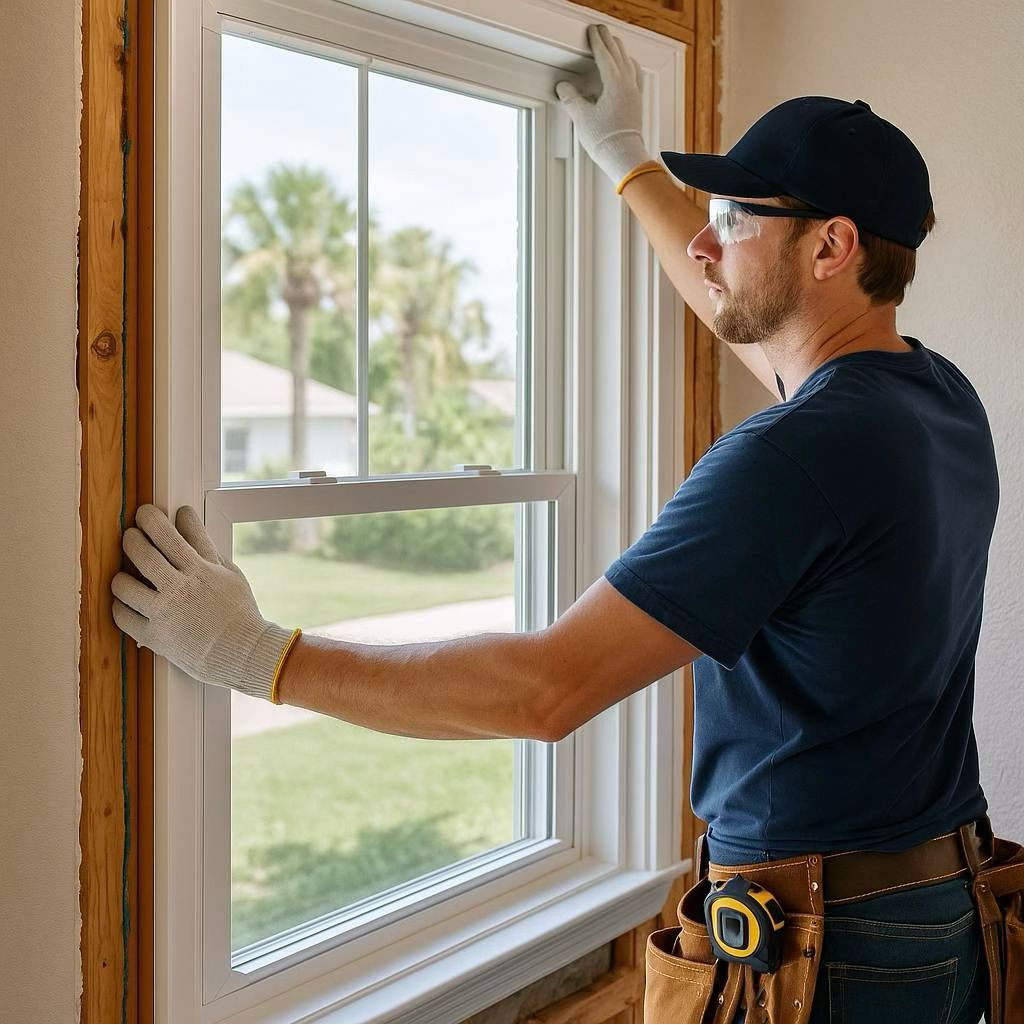
Windows play a critical role in your home’s comfort, energy efficiency, security, and curb appeal. While many homeowners focus on roofing, HVAC systems, and exterior maintenance, windows are often overlooked until major problems begin to appear.
The reality is that aging or damaged windows can quietly cost homeowners hundreds or even thousands of dollars through energy loss, repairs, moisture intrusion, and reduced home value. Knowing when to replace your windows can help you avoid larger expenses and improve your home’s overall performance.
Featured Snippet Answer
Signs that it’s time to replace your windows include drafts, rising energy bills, condensation between glass panes, difficulty opening or closing windows, visible damage, outside noise, and fading interior furnishings. New windows improve energy efficiency, comfort, security, and home value.
Why Window Replacement Matters
Modern windows do much more than provide natural light.
Today’s high-performance windows help:
- Improve energy efficiency
- Increase home security
- Reduce outside noise
- Protect against storms
- Enhance curb appeal
- Increase resale value
If your windows are more than 15 to 20 years old, they may not perform as efficiently as current models.
Sign #1: Your Energy Bills Keep Increasing
One of the most common signs of failing windows is rising utility costs.
Older windows often allow air leaks that force your HVAC system to work harder throughout the year. During summer months, cooled air escapes. During winter, warm air leaks outside.
Warning signs include:
- Higher cooling costs
- Increased heating expenses
- Rooms that never seem comfortable
- HVAC systems running longer than normal
Modern energy-efficient windows can significantly reduce energy loss.
Sign #2: You Feel Drafts Near Closed Windows
Windows should provide a strong barrier against outdoor temperatures.
If you feel air movement near a closed window, the seals may have failed or the frame may have deteriorated.
Common causes include:
- Worn weatherstripping
- Warped frames
- Failed seals
- Installation issues
Drafty windows reduce comfort and increase utility bills.
Sign #3: Condensation Between Glass Panes
Double-pane and triple-pane windows contain insulating gas between layers of glass.
When the seal fails, moisture can enter between the panes.
Signs include:
- Foggy glass
- Persistent condensation
- Cloudy appearance
- Reduced visibility
Once the seal fails, the window loses much of its insulating capability.
Sign #4: Windows Are Difficult to Open or Close
Windows should operate smoothly.
If they stick, jam, or require excessive force, the frame may have shifted or warped over time.
This issue can become a safety concern during emergencies when windows need to function as escape routes.
Sign #5: Visible Damage to Frames or Glass
Physical damage should never be ignored.
Watch for:
- Cracked glass
- Rotting wood
- Corrosion
- Warping
- Water damage
These problems can worsen quickly and compromise your home’s protection.
Sign #6: Outside Noise Seems Louder Than Before
Quality windows help reduce sound transmission.
If traffic, neighbors, airplanes, or other outdoor noises seem unusually loud, your windows may no longer provide adequate insulation.
Modern impact and insulated windows can significantly improve noise reduction.
Sign #7: Water Leaks Around Windows
Water intrusion is one of the most serious warning signs.
Moisture entering around windows can cause:
- Mold growth
- Structural damage
- Interior staining
- Wood rot
Any signs of leaks should be addressed immediately.
Sign #8: Furniture and Flooring Are Fading
Ultraviolet rays can damage:
- Hardwood flooring
- Furniture
- Rugs
- Artwork
- Curtains
Older windows often provide limited UV protection.
Many modern windows include Low-E coatings that help block harmful UV rays while allowing natural light to enter.
Sign #9: Your Home Looks Outdated
Windows have a major impact on curb appeal.
Outdated windows can make an otherwise beautiful home appear older than it actually is.
Replacing windows often provides one of the best returns on investment among home improvement projects.
Sign #10: Hurricane Protection Is Insufficient
For Florida homeowners, hurricane protection is a major consideration.
Older windows may not meet modern building standards for impact resistance.
Impact windows offer:
- Storm protection
- Security benefits
- Energy efficiency
- Noise reduction
- Insurance advantages
Many homeowners upgrade specifically for improved hurricane protection.
Comparison Table
| Issue | Old Windows | New Replacement Windows |
|---|---|---|
| Energy Efficiency | Poor | Excellent |
| Draft Protection | Limited | Strong |
| Noise Reduction | Minimal | Improved |
| Security | Standard | Enhanced |
| Hurricane Protection | Limited | Available |
| Home Value | Lower | Higher |
Real-World Example
A homeowner notices their monthly cooling bills increasing each year. Several rooms feel warmer than others, and condensation appears between window panes.
After replacing aging windows with energy-efficient impact windows, the homeowner experiences lower utility bills, improved comfort, quieter indoor spaces, and enhanced curb appeal.
The investment not only improves daily living but also increases long-term property value.
Benefits of Replacing Windows
Improved Energy Efficiency
Modern windows help reduce heating and cooling costs.
Better Home Security
New locking systems and impact-resistant glass enhance protection.
Increased Comfort
Temperature consistency improves throughout the home.
Enhanced Property Value
Updated windows are attractive to potential buyers.
Lower Maintenance
Many modern window materials require minimal upkeep.
Internal Linking Opportunities
Recommended internal links:
- Impact Window Installation
- Impact Door Installation
- Sliding Glass Door Replacement
- Hurricane Protection Solutions
- Financing Options
External Resources
Helpful references:
- U.S. Department of Energy
- ENERGY STAR
- FEMA Hurricane Preparedness Resources
Frequently Asked Questions
How long do windows typically last?
Most quality windows last between 20 and 30 years depending on materials, climate, and maintenance.
Is it better to replace all windows at once?
Many homeowners replace all windows simultaneously for consistency and maximum energy savings, although phased projects are possible.
Do new windows increase home value?
Yes. Window replacement is often considered one of the top home improvement projects for return on investment.
Can new windows lower energy bills?
Energy-efficient windows can significantly reduce heating and cooling expenses.
Are impact windows worth the investment?
For homeowners in hurricane-prone regions, impact windows provide protection, convenience, security, and long-term value.
Final Thoughts
Windows rarely fail overnight. Most provide warning signs long before replacement becomes urgent. Paying attention to drafts, condensation, rising energy costs, and operational issues can help homeowners make proactive decisions.
Replacing aging windows improves comfort, efficiency, security, and property value while reducing long-term maintenance concerns.
Call to Action
If you’ve noticed any of these warning signs, now may be the ideal time to explore replacement options. Contact Patriot Windows & Doors today for a free consultation and discover how modern windows can improve your home’s comfort, protection, and value.