Lowering insurance costs is not only an effective way to understand everything about energy efficient windows. The public may be curious about tips, examples, and strategies that will give them better results.
Energy-Efficient Windows: Energy Savings in Depth. Below is a guide for individuals who like energy savings and efficiency for their homes, as well as those who want to lessen their monthly bills, to therefore introduce you to energy-saving windows-first before anything else. What do we mean by energy-efficient windows, why they are important, how they could lower not only your monthly electricity bills but also do with less cost insurance money for your home?
What is Energy-Efficient Windows?
Energy-efficient windows are specially engineered panes from preventing the need for artificial heating and cooling by maximizing heat retention during colder months and adding to reflection of heat in the hotter months. Most of these windows bring in many panes, plus unique coatings, insulating gas fills like argon or krypton, and thermally improved frames to meet energy efficiency to the maximum.
Energy efficient does wonder, from those energy-demanding, single-paned windows. In contrast, the latter effectively minimizes air leakage and blocks out UV rays and thus ensures comfort and improved inside climate stability; it also serves as a contributor to bringing down household energy demands with better insulation and diminished reliance on the HVAC systems.
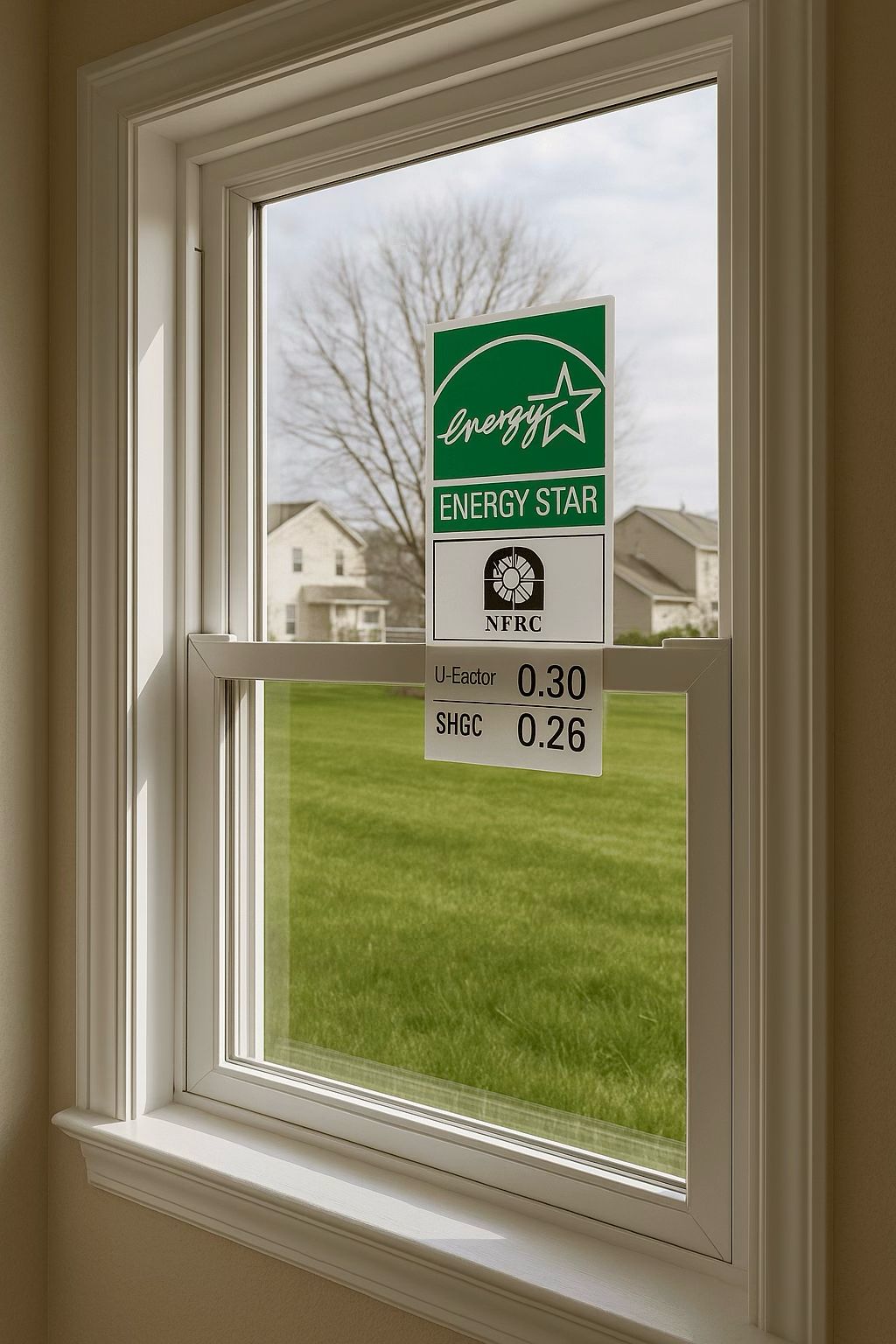
Efficient windows which are labeled as ENERGY STAR® approved or comparable with similar kinds of agencies involve very strict processes in the technology so that they work perfectly in multiple climatic zones, providing uniform performance and measurable energy savings. Developments in Low-E glass and smart glass technologies have made energy-efficient items accessible and more powerful today than ever before.
Why Energy-Efficient Windows Matter for Energy Savings and Home Efficiency
The reality is that homeowners have begun to consider energy-efficient upgrades together with green building as well as home efficiency strategies. The windows contribute to around 25 percent-30 percent usage of energy by any residential space, as a research by the U. S Department of Energy suggests. This improvement on windows helps decrease consumption of energy and carbon emissions to a certain extent.
The Advantages That Are Associated with Energy-Efficient Windows in the Light of Energy Efficiency of Houses:
- Reduced Energy Bill: Lowers system usage for heating/cooling directly decreases electricity and gas cost.
- Better Indoor Comfort: It helps to reduce hot And cold spots in the house which are due to poor insulation.
- Soundproof: It involves double or triple set of windows which is also made into a barrier to prevent sound from entering, thus bringing peace and quiet within the room.
- Impact on the environment: Reduces energy consumption from homes, and so, it contributes to reduce greenhouse gas emission.
- Increased reselling value: Energy-efficient considerations are great new features for home buyers and may place a footnote on the value of the house.
Furthermore, high-performance windows add more UV protection, which makes them useful in the defense of articles of furniture, carpeting, and art from fading-an often overlooked value added to the investments in an area over the long term.
The Overlooked Advantage: Insurance Premium Savings
Although energy efficiency is the most common feature that is recognized from these windows, many homeowners do not know that there are exceptional services by fitting energy-efficient windows as they contribute to insurance savings. The home (re)construction improvements that provide safety, durability, and resistance to natural disasters when it comes to determining the premium cost:
How windows with efficient energy use can reduce your insurance:
- Impact resistance: Most energy-efficient zero-vision windows today are either made from reinforced or laminated glass, which is necessary for impact-resistance features, thereby preventing flying debris. In hurricane or tornado-prone areas, which are usually in headlines once a year from damage, it can reduce storm damage claims.
- Enhanced Safety: Locking systems on windows that are strong enough are designed with more pane thickness and using the toughest material. All these strongly resist the unit from burglars and give the possibility of reducing burglary covers premiums.
- Fire Resistance: Fire insurance claims can be minimized or avoided if a window frame is those, which are considered as non-ignitable, but a fiberglass or a metal frame definitely reduces the risk of fires as compared to wooden frames.
- Decreased Potential for Water Damage: Leaky windows and holes that admit water create opportunities for water ingress, which is catastrophically quite a frequent cause of homeowners’ insurance claims.
A number of insurers currently offer discounts up to 10% to 20%, sometimes even a whole lot more, for remodeling that is related to energy-efficiency and certified as such. Credited work includes energy-efficient windows and, of course, any number of things hugely boosting their weatherproof and ecofriendly conditions. Always check with your insurance provider to learn how installing energy-efficient windows may reduce your specific premium costs based on location, risk profile, and type of windows chosen.
The insurance industry keeps evolving to reward homeowners who get active in risk reduction activities. One way is through the purchase of energy efficient windows, which will allow them to save on risk to their houses and save even further for the life of the building outside the utility bill.
Real-World Results of Energy-Efficient Windows
For example, for example, a Sarasota, Florida resident installed the all ENERGY STAR certified hurricane protection windows. His energy bill fell by 20% the first year. However, since those new windows also include storm protection attributes, his homeowner’s insurance annually falls by almost $300.
When they lived in the Midwest, a similar neighbor put in double-paned Low-E windows that had argon gas in a 30-year-old residence, which quadrupled their HVAC efficiency. In just weeks, she noticed that her insurer had realized that her home was lower on the risk scale for temperature-related incidents as well as break-ins, thus resulting in a 12% annual discount on her policy.
These examples show how real energy-saving improvements work in the case of energy-efficient windows, not just as good management or in environmental sustainability, but also real protection. This home improvement particularly valuable in affecting your quality of life in addition to savings in cellular expenses or annual policy premiums.
Understanding how the savings of your energy-efficient windows can pay off as insurance premiums could spell the difference between your success or failure herein. Now, let’s move on to further real-life examples and tips on the application.
Common Myths About Energy-Efficient Windows
Though builders are trying to educate more people on the use of energy-efficient windows, there is reluctance from homeowners, some of whom live on prevailing myths. However, most of these myths are just that-myths. Therefore, we need to dispel some of the myths.
- Myth 1: It’s Too Costly. Initial installation may be more expensive compared with an ordinary window, but savings will come in the long run in energy bills as well as in insurance premiums-thus providing an opportunity to recover money in a few years.
- Myth 2: Beauty is compromised. Now, the picture is reversed. Modern energy-efficient windows are made with beautiful styles, materials, and finishes, where it is virtually impossible to tell our windows from the traditional ones to have a great or better curb appeal.
- Myth 3: They don’t make that much of a difference. The fact is that energy-efficient windows save, depending on where one is and how good or poor windows are, on an average of one third of both summer heat gain and winter heat loss. This aspect influences greatly the reduction of energy employed in heating or cooling and impacts a pleasant climate.
Maintenance and Longevity
One of the slightest discussed benefits in using energy-efficient windows accrue from their durability and minimal maintenance requirements. Thanks to the advanced materials used in the making of such low-E (low emissivity) coatings and insulated frames, the initial capital outlay enterprises can make good returns on earning their investment over a 20-year service life or longer life if adequately cared for. Basic maintenance generally includes:
- Handicraft: cleaning the glass with non-abrasive cleaners to preserve coatings;
- Yearly seals inspect; to prevent leaks and condensation; and
- Lubricate moving parts or tracks so that they run smoothly.
This will preserve windows from proofing at any cost for a longer time, ensuring higher living comfort as well. This ensures that if the original cost is on the higher side, especially in substitution, the fact would not require any frequent renovations.
How Energy-Efficient Windows Influence Insurance Premium Savings
A way of obtaining more considerable savings for your insurance premium through having energy-efficient windows installed in your home is to increase your deductible. To gain further savings in your insurance premium, you need to make your two main investments in the house look good in an energy assessment conducted to decide by your insurance company.
Energy-efficient windows can cut down a utility bill, thereby saving on insurance expenses. Most service providers have understood that the greener the house, the safer it will be in the havoc-like storm and high temperatures. This is because the house, with sustainable features of windows and well-installed insulation, is less likely to be affected by damage and therefore is not deemed to have a potential claim in the near future. Most insurers offer discounts or affordable premiums for greening houses in terms of windows with green features.
Moreover, impact-resistant glass commonly used for energy-efficient windows will provide added protection against rising winds or hurricanes. This is something that wows insurers and apparently figures big time in the price of your homeowner’s policy. Always ask your provider for any kind of discount your house might qualify for.
Case Study: Transforming a Family Home in Denver, CO
For a good example, suppose these energy-efficient windows were going to be demonstrated with the help of a relatable example below during the year of 2023. Meanwhile, in Denver, a 20-year-old colonial-style home was planned to retrofit and incipiently grab some triple-pane, low-e windows.
For that, the city’s average weather with wide temperature swings was seen as an advantage.
After installing the windows:
- They experienced about 28% reduction on the electricity bill per month.
- It did an improvement on energy through enhancing consistency of temperatures indoors, thus reducing demand for their HVAC.
- They got a cash cut on their homeowner’s insurance premiums of 10.
Moreover, it has been less noisy since it faces the road. Therefore, it offers more natural light that makes the family feel a lot of satisfaction. And their overall comfort will go up and their home value will rise, which would pay off their $12,000 investment.
Rebates, Incentives, and Tax Benefits
Financial incentives are often provided by the state and federal governments to facilitate switching homeowners to energy-efficient measures in their homes. It is an opportunity to reduce significant amounts of money that one could have spent on window upgrading. Some of the initiatives to this program include:
- Federal Tax Credits starting in 2024: Qualified homeowners can access tax benefits of up to 30% for energy-efficient home improvements, such as window installations.
- Utility Rebates: These are incentives provided by the local utility company in the form of cash back or reduced utility rates to help encourage you to make energy-saving upgrades.
- State Green Home Grants: These are green renovations or energy-efficient windows, and many states offer grants, or low-interest loans through which the renovation can take place.
This is mostly what you would like to look for in the office of your local energy department or utility provider that is dedicated solely to you. The substantial saving made on your part will be felt most when it is added to the energy bill savings and potential savings on insurance premiums.
Choosing the Right Product for Your Needs
Grouping windows in terms of energy thus becomes more than glass alone, but more on reflecting the climate, direction of the house, or personal objectives for energy saving and house efficiency. Some key areas for evaluation should be:
- Frame Materials: vinyl, fiberglass, and composite materials provide far better thermal resistance than traditional wood or aluminum.
- Glazing Options: include double or triple panes full of argon or krypton gas.
- Low-E Coatings: The deceptively thin layers reflect UV and infrared light more than it absorbs (summer heat gain), reducing energy costs during cooling, while releasing more winter solar heat.
Selecting ENERGY STAR®-qualified windows guarantees at least its compliance with national efficiency standards if not exceed the same. To get their best, see to it you work with a qualified installer to attest for seals and performance.
Cost Savings and Insurance Benefits
Energy-efficient windows are highly productive but also long term on economic benefits, and one of the primary concerns with energy-efficient glass is particularly significant savings in both short and long benefits. It is easily seen that home owners have reduced expenses immediately after installation of such features, but not all owners know about related cost savings for premiums. There are some insurance companies that give discounts to owners who have made energy-conscious upgrades to their property, and windows are often found to be on top of the list.
State-of-the-art energy-efficient windows are built from the latest technology over which materials Low-E glass and multiple panes filled with insulating gases that effectively keep the internal temperature of the house round the year. The beneficial aspect of this feature on modern technology is that with such windows, greater protection is provided to one’s house because it will offer appropriate protection during inclement weather, theft, or natural calamity. These types of durability features signify greater safety against perils, and insurance firms evaluate such factors when, indeed, your premium is calculated.
Moreover, with lesser heat transfer and steadier interior temperatures, the airtight windows put little pressure on HVAC systems for a longer operational life of the unit. So it can become the root of fewer service calls and lesser maintenance costs, adding other benefits to efficiency.
Environmental Impact and Property Value
Energy-saving windows are not just beneficially saving. They are surely the best counters to any environmental stimuli. Just with the heating or cooling advantage it brings to living space, you literally save even carbon footprints of homes. What an incredible time! Consumers follow sustainable upgrades in today’s times while environmental authorities make countless ecological arguments.
Energy-efficient homes usually subject in properties of greater value. Real estate makes more emphasis on green living day by day, and best of all included windows are very much the hallmark of quick sale in comparison to the listing that takes time. According to recent market studies, Green-built or energy upgrade homes sell up to 10% faster in comparison to traditional homes, plus they receive better offers.
Tax Incentives and Government Programs
Of growing significance, many new programs occur, as local and federal governments provide further incentives to upgrade to energy-efficient residences for homeowners. To leverage some other credit for a green home taxable, US homeowners might look at the ENERGY STAR® programs, saving up to 30% of taxes on specified window replacements from caps that usually occur annually. Finally, certain other local incentives with utility rebates may also be available.
On top of slashing window-improvement installation costs right from the get-go, these programs bolster the long-term sustainability of your home-a beauty. Look up local incentives available in your area or consult a certified contractor to know what possible savings you can.
Frequently Asked Questions
What is energy-efficient windows in simple terms?
Energy-efficient windows mean that they do not allow the air inside your house that is heated or cooled to go outside. They are made of advanced materials like double panes, Low-E coatings, and insulated frames, and they all work to improve thermal insulation as well as to reduce how much energy you use.
How does energy-efficient windows help?
How do they help? They reduce your energy bill, increase home comfort, improve your home’s value, and might even earn you discounts in your insurance premiums because of added safety and storm resistance.
Can I apply energy-efficient windows myself?
While it’s possible for a handy homeowner to replace windows themselves, we highly recommend hiring certified professionals. Improper installation can lead to leakage, drafts, and diminished energy performance.
What tools should I use?
If you’re starting to explore energy efficiency upgrades, check out tools such as the Department of Energy’s energy audit guide, local utility calculators, and product comparison tools available through ENERGY STAR®.
Next Steps
Making the switch to energy-efficient windows is a smart investment — whether you’re focused on cutting utility bills or taking advantage of potential insurance premium savings. Today’s window technology delivers superior insulation, modern design options, and long-term durability with proven benefits.
Ready to take control of your energy bills and add value to your home? Don’t wait.
Request Your Free Consultation Today!