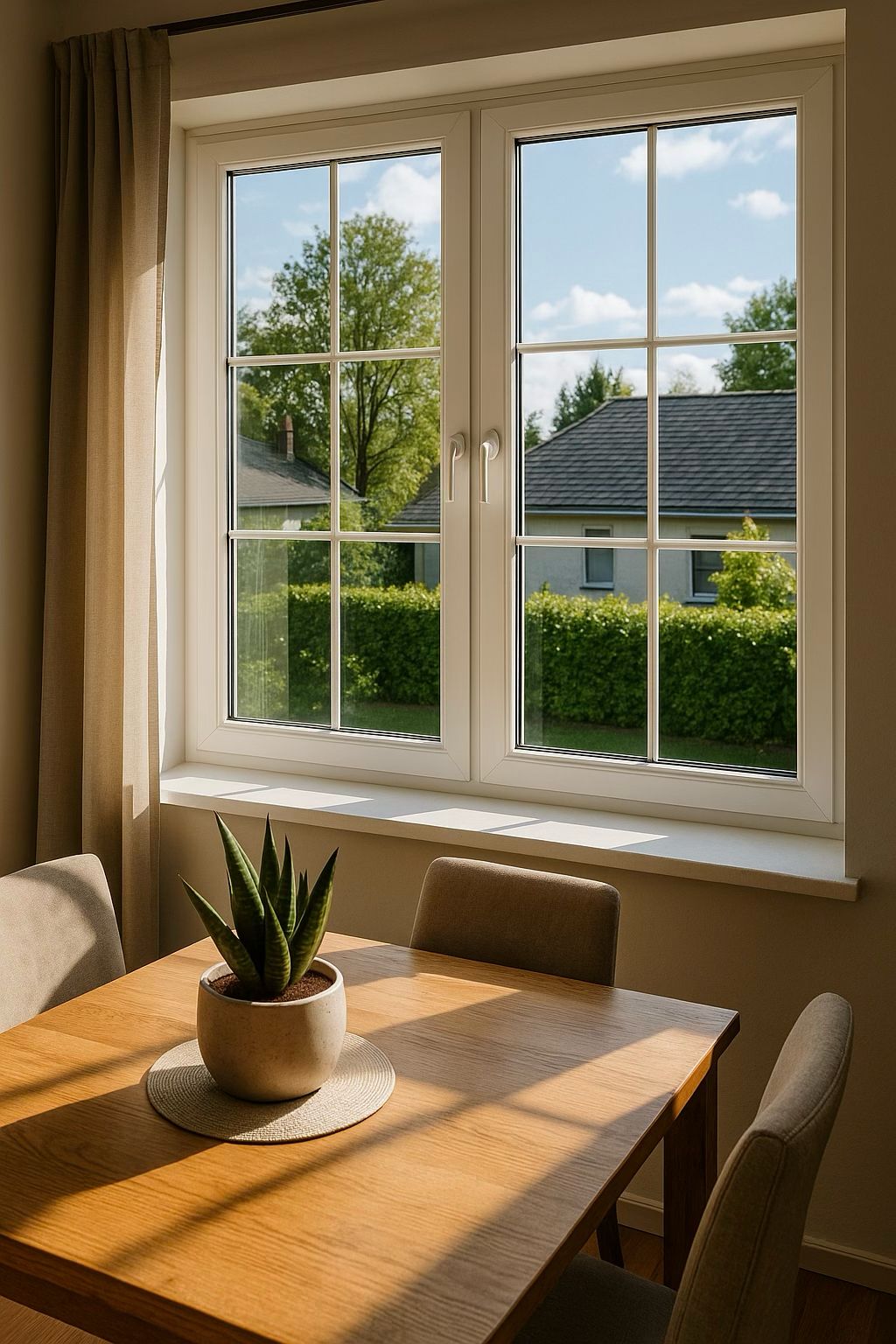
How Energy Efficient Windows Can Reduce Your Insurance Costs explains everything about energy-efficient windows. Discover with tips, examples, and strategies on how to get the best out of it.
Welcome to our ultimate guide to energy-efficient windows. This piece will do the magic whether you are in the money-saving process and energy efficiency improvement industry or just getting into it. This brief explanation outlines exactly what energy efficient windows are, why they are important, and how they are effectively employed.
What is energy-efficient windows?
Specifically designed windows are systems that minimize the loss of energy from the home. They work efficiently by using advanced technologies such as low-e coatings where an insulating gas fill is introduced between multiple panes of toughened glasslike Argon or Krypton, as well as energy-efficient frames to control the uncertainty in the room temperature, reducing the interior heating requirements in winter, and cooling requirement in summer, thus cutting down energy costs and increasing comfort for the house dwellers.
Energy-efficient windows can be measured by means of ratings such as that of ENERGY STAR or (NFRC) the National Fenestration Rating Council. These are the kind of ways that help homeowners make informed decisions because they can calculate efficiency levels of windows. These ratings will upgrade the prospective buyers with all window manufacturers. They primarily measure the U-factor (heat transfer rate) and Solar Heat Gain Coefficient (how well a product blocks heat from sunlight) which mean to the overall assessment of what type of windows should be applicable to zones with which weather conditions.
In the premium-saving potential of an insurance contract, energy-efficient windows are surprisingly such an important asset. In that they contribute to improved safety, durability and reduced risks like being able to resist extreme weather better than other windows, they can help shape the view of an insurance provider about the risk level associated with one’s property.
Why energy-efficient windows Matters for Energy Savings and Home Efficiency
Undoubtedly, such windows aren’t only about cutting down your utility bills, but they provide an important infrastructure when it comes to greenness for your house. Nowadays, matters regarding the environment and society are being treated seriously and starting to gain profound importance, which speaks of responsibility for climate in terms excessive of “recycle, reuse, and reduce.” Your old single-pane windows, after replacing them with newer energy-saving glass, form a worthwhile, lifelong investment because it would benefit to reduce stress on HVAC equipment, allowing a significantly longer life as well as continuous temperatures indoors.
Such windows are activities, creating less stress on the household’s heating and cooling systems as they create resistance and trap air within the window panes. They act by sealing drafts, reducing street noise, and protecting surfaces including flooring, furniture, and artwork against harmful rays. Inasmuch as they help improve building performance, homes with these kinds of windows can experience many fewer drawbacks from these problems than other houses because of more resilient building envelopes and increased drops of rain.
This isn’t the only advantage of getting thermally effective windows and a splendid monthly favor from them. In fact, it often increases the desirable return, considering that most of the insurers offer better deals when they include thermally appropriate windows at homes as to the energy-efficient windows. Another one more reason arises which has something to do with the ratio of the house from an effective one to a ruin through an intentionally made destruction, as encouraged by repeated renovation/repairing damages, mostly inflicted on the envelope.
Various factors are assessed by insurers in determining how risky a house can be. Wind damage, moisture infiltration, and even burglary are more likely to happen to houses with usually rickety single-pane windows still in place. On the other hand, impact-resistant and insulated energy-efficient laminated windows can furnish additional protection. Such types of windows come manufactured particularly to serve as another barrier against gale force winds. However, that kind of window never appears in hurricane or impact-rated codes, such as the strict stipulations of Miami-Dade County, which leads to lesser claims in high-risk zones. In any case, elements of an accident, such as these, help lower the costs of failure to the insurance company, which may then translate into savings for the insured through decreased premiums.
Several insurance companies actually offer special green home insurance incentives. Green rated policy holders are thus rewarded for implementing appropriate green improvements and house measures that benefit not only the planet, but the safety and resilience of one’s home as well. When windows that consequently reduce home energy consumption are part of a strategy combining hurricane protection, good locks, or solid, weatherproof construction, then this changes the thought of your home as being assumedly lower in hazard.
Storm-resistant windows are contained among such and may lessen the insurance payment in hurricane-prone states of Florida, Texas, and Louisiana by 10% or more. The realized fact that storm-resistant windows may, from point of hundreds or thousands of pounds, almost never give in has some direct and immediate results on insurance prices. Reduced failure rate of glass hinting toward fewer breakage difficulties significantly and creating a huge change on wind-driven damages and water intrusions, among historically the most expensive to remedy claims issues.
Apart from just energy efficiency and savings, energy-efficient windows may increase your home’s market value. “According to 2024 research made by the Remodeling Cost vs Value survey, the remodeling homeowners recuperate the values as high as 68% upon resell after improving their windows. This holds a widespread significance in the arena of insurance replacement esteem and insurance premiums,” said Answinde. High price, protected properties potentially pave the way for more and better rates when it comes to coverage options.
This is vital: a tally off given energy-efficient windows might have a mark over the performance of your premium saving effects on insurance. I am looking to illustrate through examples from real life.
Case Studies: Real Homes with Energy-Efficient Windows
It would be possible to take a sightseeing holiday. With the installation of energy-efficient windows, family after family concluded their mood. Saving up to 55% on their heating costs, people from single-pane homes in Tempe, Arizona experienced a dramatic reduction in miserable experiences due to overheating inside the house. Residents in New Orleans who installed energy-efficient impact-resistant windows derived benefits similar to those in coastal areas experiencing frequent storms.
Among those most exceptional instances was referred to the point of revamping a very ancient historic house near the heart of SC in Charleston. This is one of those vivid examples where quite the replacement of all the old original windows throughout the house with the newer or energy-safe organizations, designed to help increase better structural integrity, and its aesthetics matched the modernization of other systems like in furnace and air conditioning. The windows and materials taken in and installed were top quality. It practically meant that any new homeowner moving into the renovated property would enjoy life as though they had bought a brand new property. insurance companies could also afford to reduce premiums because of lesser exposure to damage by moisture or mold walking life into.
Insurance Premium Savings Explained
You can save your own money with energy-efficient windows, and it also concerns a great deal to cut another form of insurance payment. In fact, chances can be assessed by insurance companies for the problems of water damage, energy usage along with storm resistance when it comes about premium costing. High-performance windows with low condensation and impact-resistant glass lessen the threat of claimable damage caused by any extreme weather event.
In some cases, such windows could be tagged as having certifications like “ENERGY STAR” or NFRC (National Fenestration Rating Council), verifying efficiency and performance installed and allowing insurers to confirm the same for the product. Providers could hand out discounts and other incentives for policyholders installing these home improvements.
Speak with your provider to determine what kind of savings is possible through improvements. See if they offer any kind of rebate programs or possible discounts if some eco-friendly improvement can be achieved. States such as Florida and Texas are well-known places for hurricanes, and sometimes an essential part of monetary relief may be granted to policyholders putting in the energy-efficient windows that have impact ratings.
Common Myths About Energy-Efficient Windows
- Myth 1: The advantage of energy-efficient windows can only be seen in cold climates. Inactual fact, solar control, ultraviolet (UV) protection, and temperature regulation make them useful and beneficial throughout the entire year irrespective of geographic location.
- Myth 2: Too expensive-Though installation may sometimes necessitate a greater expenditure when compared with standard windows, due to lower utility bills and insurance premium savings over an extended period, the initial outlay eventually pays off for most.
- Myth 3: Limitations in terms of design options-Energy-efficient windows come in various styles, materials, and finishes that make them in harmony with architectural and aesthetic preferences.
Choosing the Right Energy-Efficient Windows
Choosing windows designed to save energy on various factors is the u-factor. The U-factor identifies how well the insulation window works. The lower the U-factor, the less heat lost from the window. And see at the same time Solar Heat Gain Coefficient (SHGC). This is the amount of solar radiation passing through the window—low SHGC at the ideal location for places like Houston; high SHGC will benefit homes of the north for winter heating.
Vinyl, fiberglass, and wood-clad materials provide great insulation, while Low-E coating, argon, or krypton helps in gas fills for the most performance gain with no compromise between vision and appeal. Give priorities to working exclusively with installers certified by valid bodies like the American Window & Door Institute (AWDI) or InstallationMasters® Program.
Let the arrangement of your windows be relative to the east side of your house. Windows on the south require separate treatments than other openings in the north part. Additionally, having your insulation and HVAC system assessed by an energy auditor expert to check the performance of the windows would aid in compatibility.
Incorporating Smart Technology
Modern energy-efficient windows have more and more smart technology capabilities. Some backpacks even automatically adapt their shading to the strength of the sunlight, have remote-controlled blinds, and can be connected to home automation systems. The potential pointed out benefits made these “intelligent” attached features more energy conservation feature enhancements and also improved overall home efficiency by maximizing either natural light or temperature in the interior, without manual prompt.
Thus, smart glass has dynamic opacity changing capabilities according to outside environmental factors, reducing significantly the negative effects of both glare and heat gain to allow natural light to flow through. It is not only electricity saved for lighting sources but also in cooling systems, but it also increases in ultraviolet protection for furniture and flooring materials in your home.
Final Thoughts on Implementation
Somehow, it does not appear as if it was an accident. Therefore, Chen must have been moving the cursor on purpose. Then what was the proper location where he should have left his message to the end recipients? Three ways seemed possible. The memo concerned procedures for the admission of new tournaments in spring and summer. To install the message, he might have clicked “Comp” and moved the pointer. Another way to leave the message would be dragging the cursor around the data and clicking it. For an hour, he might have been moving the mouse very continuously believing that such frequent recurrent movement should prevent him from not leaving a message to this effect wrongly.
Frequently Asked Questions
What is energy-efficient windows in simple terms?
Less energy may be used to heat houses during the winter camp chills and to cool them down during the dog days of summer. This is the theory behind energy-efficient windows, which can reduce heat transfer inside buildings and limit the emission onto the facade.
How do energy-efficient windows help?
Not only do they cut energy costs, but also they improve the life inside through atmosphere control and make a significant reduction in carbon dioxide emissions by offering added value when a house is up for sale. Most insurance providers are also recognizing the durability and security that these windows provide and offer discounts on insurance premiums.
Can I install energy-efficient windows myself?
Even though many DIYers who grew plants have the skills to install their particular windows, for the best results and eligibility for their warranties or insurance discounts, they can install these in a professional way.
What tools or certifications should I look for?
Attaches such as ratings on energy performance by NFRC, certifications from ENERGY STAR®, and coatings with low-E glasses are some of the things that users should recall to have the ideal certification for windows. These are the things which tell them whether a certain product complies with strict energy efficiency standards.
Why Energy-Efficient Windows Are a Smart Investment
Windows with little or no loss of energy can be considered to have low or non-existent heat transfer. It is through this that the windows reduce the transfer of heat during the summer months into the house, or vice versa, in the winters. In short, these should increase the efficiency drastically-huge and thereby make the windows energy-efficient. It is because of the outstanding energy cut off that this initiative has some of the highest impacts.
Not only do comfortable living and more efficient energy use bring most homeowners a financial surprise, but energy-efficient windows are of such design and material that the effect of reducing them can save you money on property insurance. Insurance companies frequently give credits to homeowners for making such structural improvements that improve safety and endurance. Since well-made, energy-efficient windows do not break easily in rough weather or can provide extra security from breaking in, they are often significant contributors to saving in insurance premiums.
Choosing the right window for you might mean you need to look at the U-factor ratings, SHGC, and glazing options as well as the materials used in the frame of the window. For example, double and triple the amount of cold and heat that is impinged upon the glass-with energy to spare as far as that goes. Or, low-E:-type windows that reflect infrared light-warm-cannot interfere with visible light and make a room either intensely bright or removed from outside temperatures.
Energy-conserving windows indeed add value to an entire house. Many potential buyers see growth in the energy performance of a home as an important factor when shopping for their new residence. Thus, installing these kinds of windows not only provides greater comfort and convenience in daily living, it also ensures you will have a better chance of selling your asset at a future date, i-e., better resale value of your home.
Patriot Windows & Doors offers a comprehensive consultation service to enable you to select the best energy-efficient product selections for your home, your area’s climate, and your architectural style in building. You are given the final installation process from the very first material to be used in making sure you will enjoy both optimum comfort and savings.
Final Thoughts
Highly efficient windows not only result in environmental conservation but can also assist in raising the value of your home and possibly lower your insurance premium. It becomes an income-generating asset in the coming years beyond the saving warm, comfortable nights.
Take the Next Step
Ready to transform your home’s energy performance and lower your bills? Request Your Free Consultation Today!