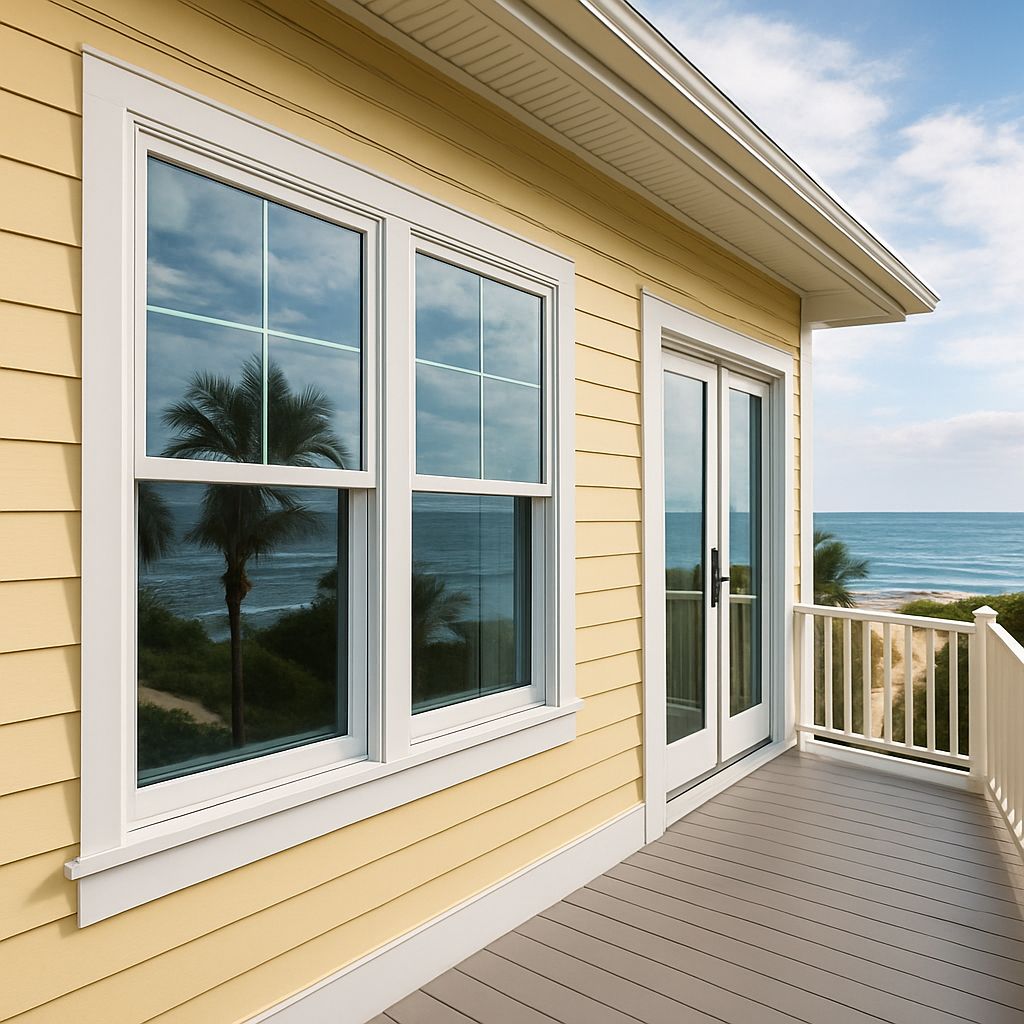
How to Choose the Right Windows for Coastal Homes
How to pick the most suitable windows for coastal homes- well, let’s read about this here with windows for replacement Florida. Discover even better results with illustrations, tips, and strategies.
Welcome to our in-depth guide on window replacement Florida. Whether you’re in the Common installation questions industry or just starting, this article will break down what window replacement Florida is, why it matters, and how to use it effectively.
What is window replacement Florida?
Florida window replacements are that where windows are professionally removed and replaced on any structure, either residential or commercial-specifically tailored to cope with a unique environment like those seen along the coast of Florida. This is to ensure that selected windows be able to withstand the sometimes harsh conditions on our coastlines, such as those with very high humidity, salt air, hurricane-speed winds, and most of all, frequent sun exposure, while at the same time complying with the requirements of the Florida Building Code (FBC). Replacement of windows at coastal areas is not an aesthetic issue; principally, it is a resourceful energy and safety decision with substantial impact on the integrity and trade values of one’s home.
In response to the tropical storms and hurricanes ravishing, making the state more prone to natural disasters than others, the Florida coast must strictly comply with this construction. This makes choosing the right windows for a coastal-style house more of an issue of design than compliance and protection. Whether you are perhaps in a new-build or thinking about renovating an older property, it only makes sense to install windows rated for coastal performance since they provide long-life durability and peace of mind.
Numerous window technologies support the request for quality windows in Florida’s local environment; those should be impact resistance, Low-E glass, and laminated glass panes. We touched on each of these benefits and will discover it more thoroughly in our forthcoming articles. This will make you understand what choices exist and which among them is the top investment-suited for your specific home environment.
Why window replacement Florida Matters for Common installation questions
Homeowners often don’t perceive the importance of proper window replacement, particularly in high-risk coastal zones. But selection and application of the right windows have direct relations with basic safety, energy efficiency, commercial rating, and insurability concerns of structures in the total built environment. A large proportion of the installation question categories relate to these issues. Breaking down about the reason for Florida window replacement with each of them is one of the jobs for an expert.
1. Storm Resistance and Safety
The leading concern of homeowners in coastal areas is naturally the safety factor from destructive storms. From June to November, Florida comes under the hurricane season, a period when there is a significant threat to homes from high winds and flying debris. Because of all previous storms, windows have been deemed to be residential weak points. This failure often turns them into fatal internal house damage during a storm. Access to impact windows-as many now meet or exceed Miami-Dade County’s HVHZ standards, simplifying the choice-is one potential solution to ensure the most durable windows have been made to weather the elements.
Impact windows are made from multiple layers of glass, including a shatter-resistant membrane, which makes them able to withstand flying debris without the danger of shattered glass in your home. Even after the glass shatters, it remains connected to the frame, thus protecting the building and its occupants. This is just one of its improved features; in fact, in many coastal cities of Florida, it has become mandatory.
2. Energy Efficiency and Climate Control
Florida has sub-tropical conditions characterized by intense sun and heat almost year-round, this is also conducive to severe usage of air conditioners. Energy-efficient Windows coated with Low-E reject Infrared Sunlight and so allows a cooler house without straining over working the air conditioner unit. Insulated gas between second-and third-paned configurations might deliver an improved level of comfort at a very real price and a real saver of utilities as well.
Window types that meet the requirements of the Florida Energy Code can drastically reduce almost monthly energy bills alone and also contribute a lot toward showing that an individual cares for carbon footprints. Given that energy prices are rising in 2025, many more people are taking to sustainable construction, making energy-rated windows not just nice-to-have but a must-have.
3. Insurance Premiums and Compliance
The Florida Building Code mandates wind-borne debris protection and energy standards. By upgrading the windows to these standards, especially those that bear Florida Product Approval or Miami-Dade Notices of Acceptance, you will be able to benefit from large homeowner insurance premium discounts. Approved products also comply with strict performance standards to provide the proof your home needs to protect it against coastal weather. Always consult with your insurance company before any changes give rise to a reduced rate on your premiums.
As in every new legislative period with stricter regulation and enforcement of the rule of the FBC, 2025 indeed will come as an even louder wake-up call for coastal-building compliance. Therefore, yanking out those old or noncompliant windows would not only bring peace of mind; it could also lead to substantial actual savings and an increase in the value of your home.
4. Increased Property Value and Curb Appeal
Swapping a window does have a function, in that; it also spruces up the overall impression of a house and enhances its resale value. In the heightened market in the year 2025, real estate sellers are smarter and faster in picking out their selection. They are in search of homes that are ready for living and are durable, safe, and energy-efficient. Having a return well of more than 70%, superior-quality window installations often become one of the top ascending investments in home improvement. And many of these installations can find cache with coastal means of design to suit contemporary styles. From classic colonial to perhaps today’s wave-based beachfront villas, there are host materials, finishes, and configurations related to frames that would match your property’s architectural design while providing for functions in performance standards.
5. Addressing Common Questions from Homeowners
Many of those who own a home will ask, “How can one know if a window is rated for hurricanes?” or “May I install these windows myself?” Frequently tantalized by projects done themselves, these coastal window installs must be done by professionals licensed from Florida in accordance with FBC compliance and local permitting processes.
At the same time, questions like, “What kind of material might be the best for windows in salt air?” might be very common. Very often, the answer goes right into fabulous vinyl, fiberglass, and aluminum-clad wood frames where an untreated wood or few metal finishes do not even come close when resulting in corrosion resistance. Choosing strong, rustproof materials seals better performance in the long run, especially for homes built direct on the coast.
Mostly about cost is the inquiry. Coastal-rated windows do the majority part of expensive footprints compared to economy brands but often pay off long-term within energy bills, repairs, and insurance. Noise insulation is another benefit since such homes are situated near busy beachfront roads or tourist areas.
The final query includes many townspeople wanting to know what makes a “coastal window” different from a standard window. The coastal window guide would defuse a -day industry- established good argument that includes the following: enhanced corrosion protection, reinforced glass, structural framing, and weatherproof seals that can stand up to Florida’s unique challenges.
Understand just how Florida window replacement transforms the critical coastal window guide. Instead of taking the entire thing into account, we are going to hit the real issues with some examples.
Common Challenges and Solutions in Window Replacement Florida
However, window replacement projects in Florida face another dilemma and might be quite more difficult in climates where there is high heat and humidity due to coastal weather. One of the major problems faced by both homeowners and contractors is compliance with hurricane codes. Under consideration are issues such as material durability and how the intended aesthetics are to be integrated with the existing architecture. Below are some of the most usual challenges encountered during the installation process with practical solutions:
- Weather Delays: The inclement weather common in Florida means that installations are vulnerable to disruption as a result of the weather, although getting work done at off-peak times and using flexible schedules may achieve results.
- Permit Problems: There is the need to get a construction permit in Florida, which costs time, of course. Particularly for the hurricane prone areas of the state, Florida’s building and energy codes are stricter than most other parts of the United States. In order to speed up the recognition of existing installations, it is necessary to get in touch with licensed contractors who are aware of the associated codes.
- Structural Issues: Sometimes, the structures of older buildings are not so well framed for impact-resistant windows-especially when dealing with buildings in full-boundary-wall systems. Take all this into consideration and have used the services of a structural engineer before allowing any demolition, or if necessary later, installation of reinforcement.
- Product Availability: Probably the most difficult part of the process is the ability to obtain high-quality, coastal-rated windows; there may be problems with the supply chain that delay such windows. Arrange for your order with the producer or dealer who has up-to-date lead times for reliable delivery.
- Energy-Efficiency Balance: Adequately balancing coastal Window Guide energy-performance elements can be quite daunting. It’s been very difficult in balancing what the coastal Window Guide demands compared to gain in energy efficiency-developing a product that is ENERGY STAR®-rated for use in coastal areas taking into consideration such improvement in energy efficiency.
Optimizing Your Home Based on the Coastal Window Guide
The coastal window guide provides strategic insight into durable window upgrades with an added safety factor contributing to property value in Florida homes. Laminated impact glass and fasteners that have been proven durable against corrosion are but some best practices to put into your Florida home for excellent coastal living. Here are a good few easy steps specific to coastal installations:
- Familiarize yourself with your wind zone: Florida is divided into different wind gust zones that specify different window requirements depending on the location. Check with your local building department to know the specifications needed in your location.
- Invest in Impact-Resistant Materials: According to the coastal window guide, laminated glass and framed reinforcements will protect a property from hurricanes, as well as flying debris, because they are impact trapper.
- Choose non-corrosive materials: Coastal air and moisture are enemies that make all parts wear out at a faster rate. Use either stainless steel or powder-coated aluminum components, because these materials tend to prevent rust and at the same time prolong the life of the window.
- Establish water-proofing methods: Properly constructed flashing makes sure that even very torrential downpours don’t let any water through into the window.
- Put UV filter glass in place: Excessive sunlight fades and damages interior components, but drastically protect what is inside with a window that filters over 99% of ultraviolet light and cuts down on air conditioning bills.
Following such a coastal window guide doesn’t merely ensure the code—not quite as thrilling as that appears—but the best part of it is that it tends to further tide over longer than you thought initially.
Frequently Asked Installation Questions
Gathering answers to the commonly asked questions enables homeowners in making their window replacement in Florida plan a friendly process. Below is a combined list of how homeowners can resolve their technical queries and doubts using practical questions: “How long does it take to replace the windows in Florida?” It can take anywhere from a day to a couple of days for installation with this being one home, but it will vary depending on the number and type of windows, weather and municipality permit processes. Should I use hurricane windows even if I’m inland? Yes, because the Florida Building Code requires these in many inland and coastal areas. Verify with the zoning and requirements from your local building authority. Can I install windows myself? Theoretically, yes for a professional DIYer; it’s highly recommended to have installation performed by professionals because of Florida codes and their warranties. What’s the difference between impact-resistant and standard glass? Several sheets are applied, with a polymer membrane holding the glass together when hit, as debris will not shatter, unlike standard glass, which makes it safe for people. Shouldn’t I see a reduction in my insurance premiums for replacing my windows? Most insurers run discounts that cut premiums for homeowners using hurricane windows. Check with your provider to know whether you are eligible.
Preparing for Your Window Upgrade
The groundwork for a successful window replacement requires prudent preparation. Gather multiple quotes, verify contractor credentials and reviews, and proceed to prepare your home by clearing punctual work areas, relocating property values, and removing window treatments, which would mark them from the beginning. After installation, maintain windows through regular inspections, particularly after storms. This is by cleaning off the tracks, ensuring that seals aren’t wearing off, and lubricate all moving parts will give top results in running and long life in general.
It is the perfect rapprochement and then selecting those guidelines with existing coastal drafts that produce a firm and efficiency-worthy installation for the specific climatic challenges marked in Florida that will always mean that in synchronized code the installation rests secure and progresses smooth. Always take the word of certified people and be abreast of the changing regional codes with the help of good experienced professional persons to make your installation smooth and secure.
Frequently Asked Questions
What is window replacement Florida in simple terms?
Window replacement Florida is the way of renewing windows mainly in coastal areas to enhance durability, energy efficiency, and storm protection. It is also used to mean the application of more durable materials rather than the very tough kind of weather prevalent in Florida.
How does window replacement Florida help?
It benefits immensely in the enhancement of energy efficiency and rationalization of related utility expenses and enhances the protection against hurricanes and storms. Choice of the materials and styles would assure adequate service in future for window application in the climate of the shores of Florida.
Can I apply window replacement Florida myself?
While some experienced DIY homeowners may try their hand at very little remodeling work, it is recommended that full window replacement be done by licensed professionals. Or, hire an expert for the job especially in high-velocity hurricane zones. Appropriate fixing is also compliance with the codes as well as ensures the highest degree of safety.
What tools should I use?
Besides basic construction tools, use digital tools like Google Search Console, industry comparison charts, and product guides. These help assess window efficiency ratings, storm resistance, and return on investment.
Final Thoughts on Window Replacement in Florida
The best part about living in Florida that is near the coast is that you can expect the hurricane-force winds, high humidity, and salt exposure, all of which are not good for typical, residential windows. Your house should be designed with endurance as a priority from every component, starting from windows replacements. It is where a need for implementing window replacement Florida is met. It is more than in the aesthetics or increases the value of your home: everything, including security and efficiency, also improves with having replacement windows.
Today’s home technologies provide a whole range of supplementary choices, which empower the house owner with every possibility of adopting very well-impact rated energy-efficient houses suitable to all the coastal and inland Florida climates. Whether you want to reduce the sounds, ultraviolet output, or blow up to pressure; there is a guide for the coastal windows specifically with each location and problem in consideration.
Remember that south and central Florida regulations require specific types of windows depending on your windborne debris region. Always check with licensed contractors and local building codes before installation. Don’t forget to factor in efficiencies like Low-E glass and argon gas insulation for year-round comfort and savings.
Start with Confidence
Whether you’re replacing a single window or upgrading your entire home, taking the time to research options through a complete coastal window guide helps you make informed decisions. Not only do you protect your home, but you also increase its marketability and reduce energy bills for years to come.
Request Your Free Consultation Today!
We invite you to connect with our licensed experts who specialize in window replacement Florida. With years of experience serving coastal homes, we understand the regulations, products, and needs unique to your region.